1 min read
Which Plastic Pipe is More Reliable: PEX or CPVC?
An in-depth comparison of the pros and cons of PEX versus CPVC for plastic piping, plus the different types of PEX CPVC and PEX are the most common...
2 min read
Plastic Expert : Sep 15, 2022 4:36:02 PM
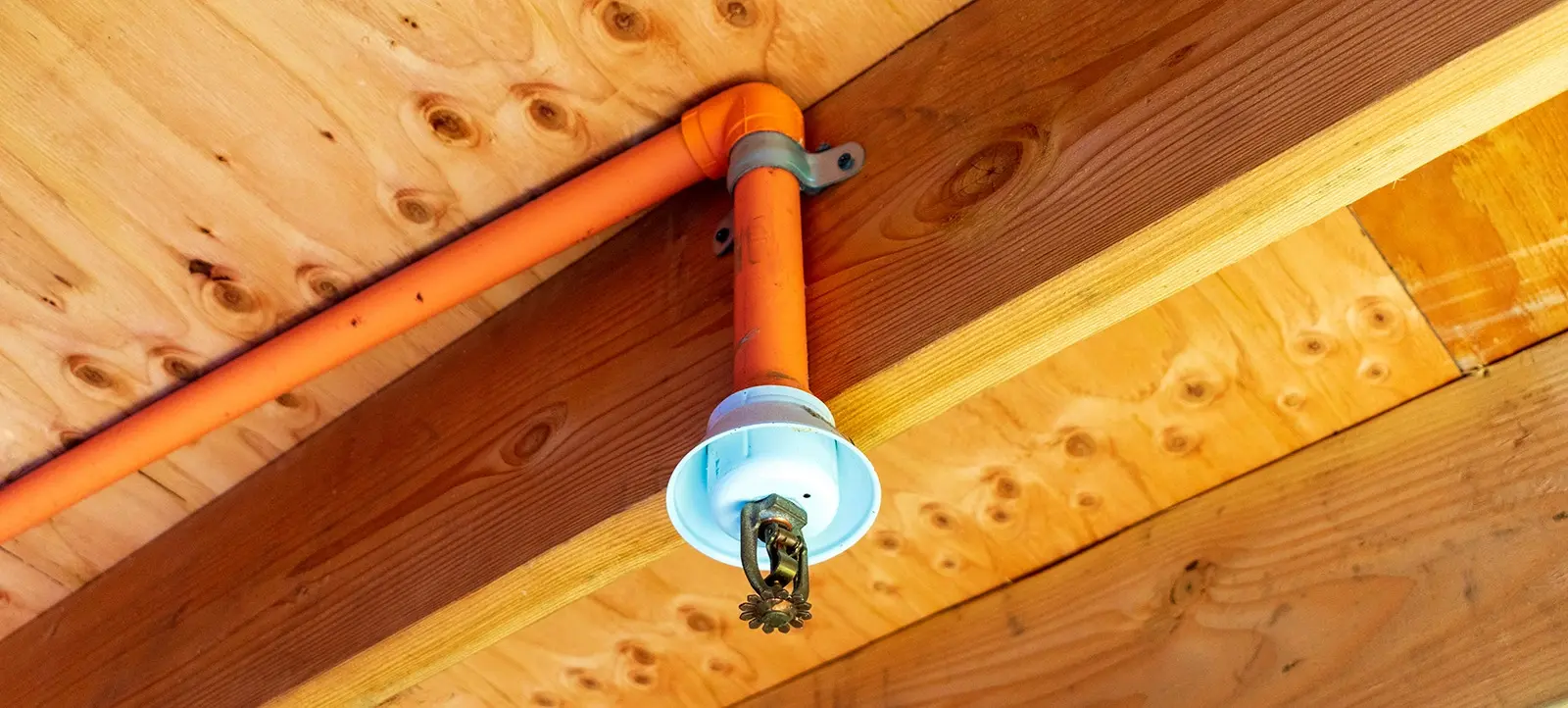
Is it possible to detect fire sprinkler installation defects?
For the CPVC plastic pipe installation process, it takes at least 4 minutes to correctly form a joint following the ASTM F3328 rules.
The ASTM F3328 process includes the following:
The following case study is the property of Plastic Expert Group and cannot be copied or distributed without prior permission. Our case analysis does not imply that this specific plastic failure will happen systematically. Every case is unique and should be treated accordingly.
Is it possible to detect fire sprinkler installation defects?
For the CPVC plastic pipe installation process, it takes at least 4 minutes to correctly form a joint following the ASTM F3328 rules.
The ASTM F3328 process includes the following:
Installers can cut installation time in half by taking short cuts and not following the rules. However, the rules are there for a reason. The reliability of a fire sprinkler system is directly linked to the quality of the installation.
Currently, Fire Marshals inspect fire sprinkler piping systems by looking at submittals and the exterior of the piping. The inside of the piping system is not inspected. The only way to tell if the installer followed the rules is by inspecting the inside. Because installers know their work will not be inspected, they take short cuts to save time, leading to unreliable fire sprinkler piping systems.
We recommend that general contractors, insurance companies, and fire marshals let CPVC fire sprinkler piping installers know that the inside of their piping system will be inspected and every violation of ASTM F3328 found will need to be corrected before the system is approved. This will force installers to follow the rules and greatly improve the reliability of this critical life-safety system.
Plastic Expert Group uses state of the art inspection equipment to non-destructively inspect the inside of CPVC fire sprinkler piping systems to determine if the installer followed the installation rules. We can determine if the pipes are fully inserted all the way into the fitting sockets, if the ends of the pipes were properly deburred, and if the installer used excessive solvent cement which weakened the pipes and fittings.
1 min read
An in-depth comparison of the pros and cons of PEX versus CPVC for plastic piping, plus the different types of PEX CPVC and PEX are the most common...
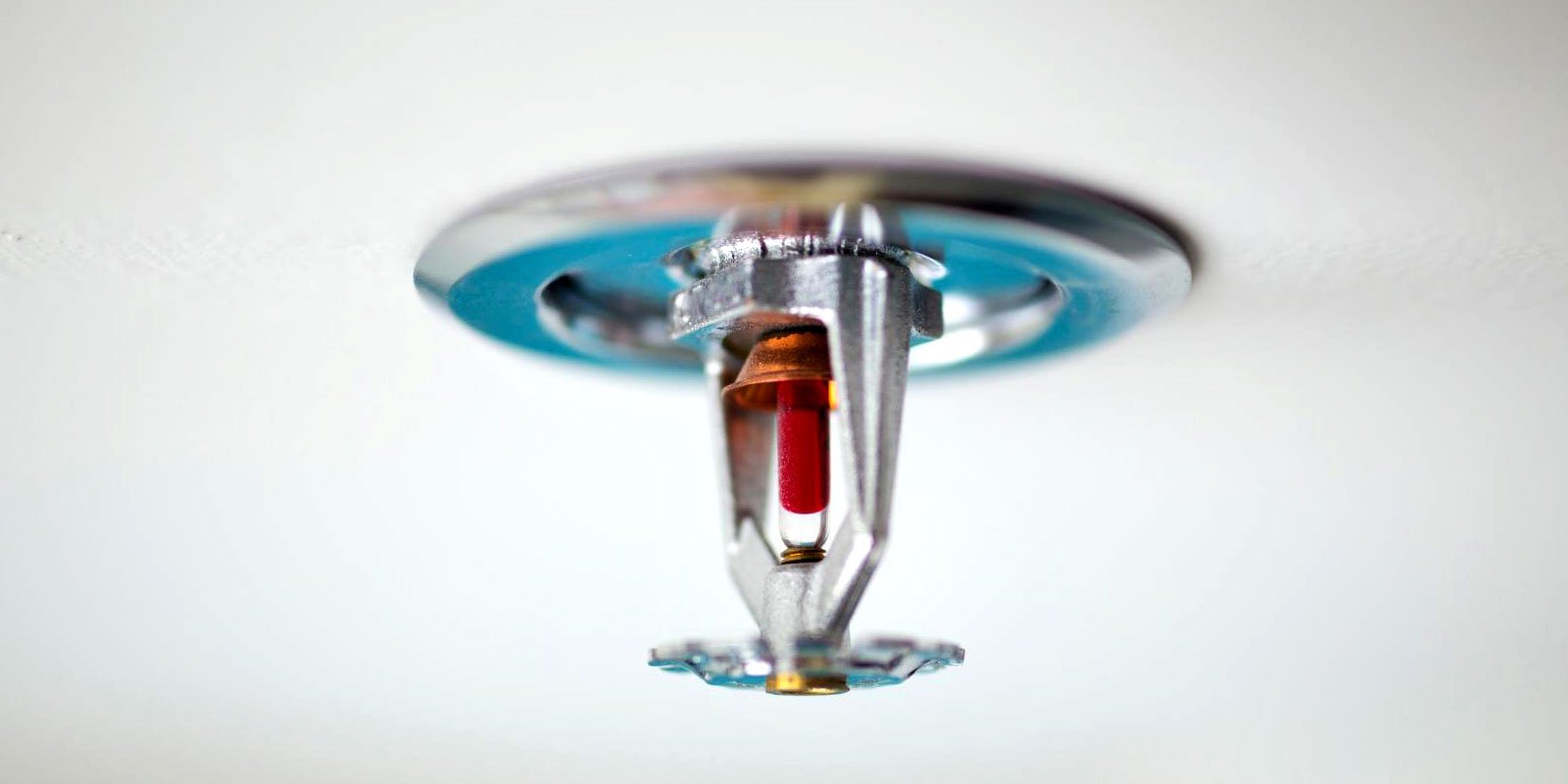
Don’t expect more than you inspect! When properly installed, fire sprinkler systems not only make a commercial or residential building safer for...
By Dr. Duane Priddy, Plastic Failure Labs Download PDF