1 min read

Why Does Plastic Crack Over Time?

Why Does Plastic Crack Over Time?

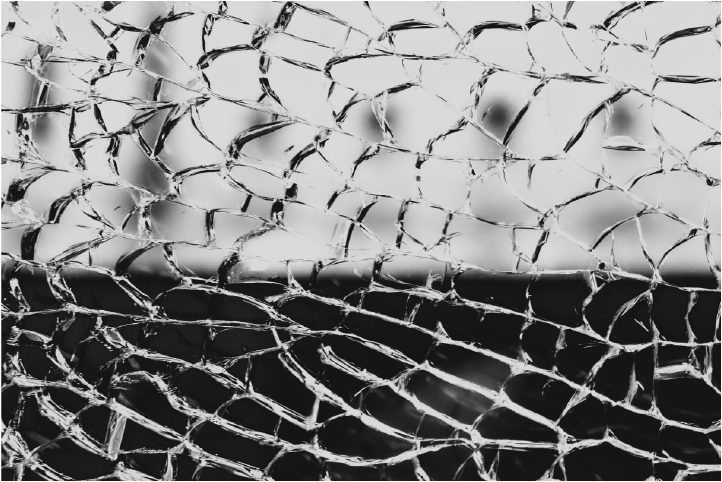
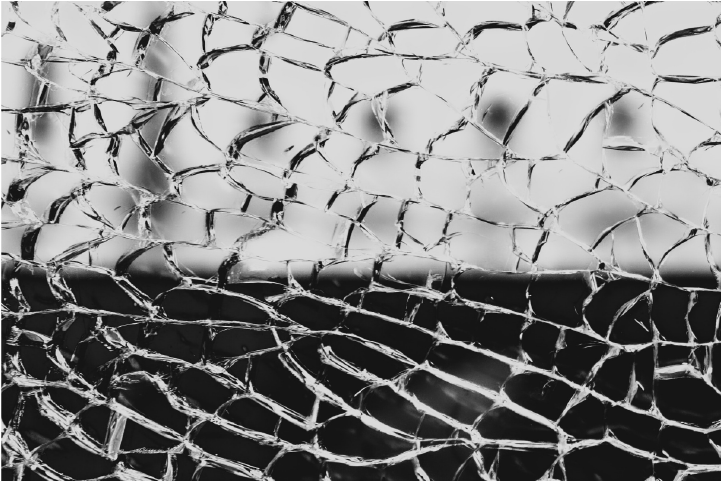
The two main reasons why plastic parts crack over time is due to natural aging and from exposure to chemicals. As plastics parts age, they get weaker and weaker. 


A CASE STUDY 


The following case study is the property of Plastic Expert Group and cannot be copied or distributed without prior permission. Our case analysis does not imply that this specific plastic failure will happen systematically. Every case is unique and should be treated accordingly.


PROBLEM: WHY DOES PLASTIC CRACK OVER TIME?


THERE ARE TWO MAIN REASONS WHY PLASTIC PARTS CRACK OVER TIME

  1. Natural Aging

Everything in the world that contains carbon and hydrogen, degrades over time, and therefore has an expiration date. Examples include, food, medicines and yes, even our bodies.  Plastics contain carbon and hydrogen and therefore also have an expiration date (service life). As plastic parts age, they get weaker and weaker until they get so weak, they can’t sustain a load and therefore crack.

  1. Exposure to Chemicals

Many plastics will absorb chemicals causing the plastic to soften and become less rigid (weaken). When the softened plastic is placed under stress, the long chain molecules that make up the plastic are pulled apart and a crack develops. The process is called Environmental Stress Cracking or ESC.

plastic cracking
How Does Plastic Decompose?

1 min read

How Does Plastic Decompose?

The most common cause of plastic parts to weaken is exposure of the plastic to sunlight. Plastics consist of long polymer chain molecules...
Read More
What Can Dissolve Plastic?

1 min read

What Can Dissolve Plastic?

The most common cause of plastic parts to weaken is exposure of the plastic to sunlight. Plastics consist of long polymer chain molecules...

Read More
Plastic Skylight Breaking Causing Injury

1 min read

Plastic Skylight Breaking Causing Injury

A CASE STUDY The following case study is the property of Plastic Expert Group and cannot be copied or distributed without prior...

Read More