
Common Causes of Plastic Failure
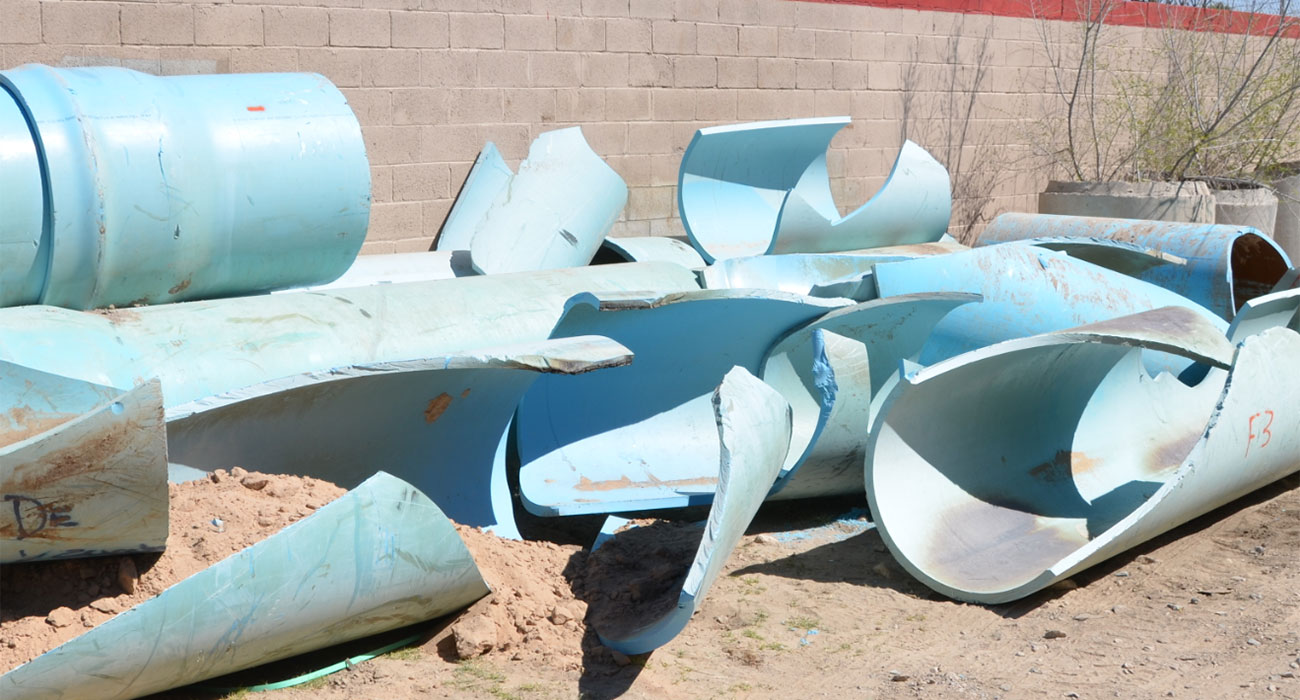
What causes plastic parts to fail, leading to property damage or serious injury/death? Every year, Plastic Expert Group receives hundreds of requests...
2 min read

More parts are manufactured using plastics than any other material. Plastics offer low part manufacturing costs and light part weight compared with alternative materials such as metal. However, plastic parts occasionally fail, causing personal injury and property damage.
There are many different reasons why plastic parts may fail, such as:
To determine the root cause of plastic failure, our experts conduct thorough analysis testing in our state-of-the-art labs using this four-step process:
The first step in the failure analysis process is to examine and document the part.
The failed sample is carefully examined and its condition documented in detail using high-resolution photography and microscopy. If the failed part is being used as evidence in a litigation, a chain of custody document is completed.
The next step is to determine the failure mode. There are many failure modes including fatigue, environmental stress cracking (ESC), tensile overload, high-speed impact, use below the materials ductile/brittle transition temperature, and more. Failure mode determination generally involves the use of optical and scanning electron microscopic examination of fracture surfaces in the failed part. If the part is involved in litigation, and therefore, the failure analysis cannot alter the condition of the failed part, then we utilize non-destructive testing techniques such as ultrasound and CT scanning. These non-destructive techniques reveal manufacturing defects in plastic parts.
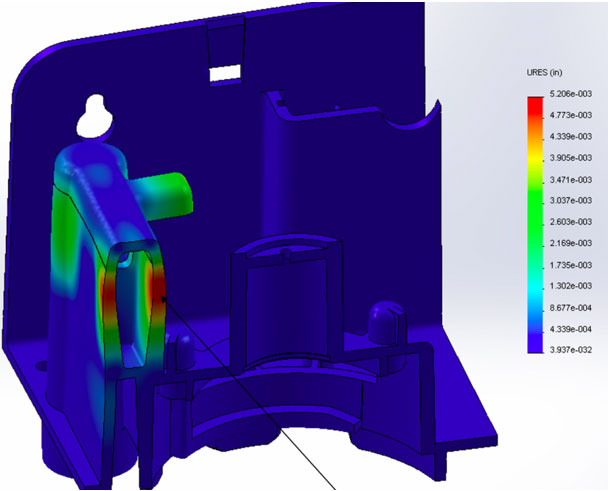
Once the failure mode is determined, subsequent tests are performed to identify why the part failed in that way. For example, if a part fails by ESC, chemical analysis is performed to identify the incompatible chemical that caused the ESC. If a part fails by fatigue or tensile overload, the part design is evaluated to determine if the part was defectively designed. Evaluation of a part’s design often utilizes CT scanning of the part and finite element stress analysis (FEA) of the part design.
Once we know exactly how and why a plastic part failed, an expert report is prepared detailing the cause of failure. Recommendations are also made on what steps need to be taken to make the plastic part more reliable.
At Plastic Expert Group, we have experts in all aspects of plastic technology — including injection molding, blow molding, extrusion blow molding, thermoforming, and compounding. We also help companies select the best plastic material for an application, and then help design the part. We also offer mold flow analysis and mold design services.
For example, this FEA model of a failing plastic part (pictured below) helped one of our clients redesign their part to eliminate future failures:
Our plastic failure experts have inspected, tested and analyzed hundreds of piping systems in homes, condominiums and hotels. We have extensive expert witness experience. We are available for initial phone consultation to discuss the details of your situation and to provide an estimate for our services.
CONTACT US FOR A FREE INITIAL CONSULTATION IF YOU HAVE QUESTIONS ABOUT PLASTIC PART FAILURE TO FIND OUT HOW WE CAN HELP.
What causes plastic parts to fail, leading to property damage or serious injury/death? Every year, Plastic Expert Group receives hundreds of requests...

When plastic parts fail, the failure is often caused by defective part design. Computer modeling of the part, followed by finite element analysis...
Don’t expect more than you inspect! When properly installed, fire sprinkler systems not only make a commercial or residential building safer for...