 Download PDF
1 min read
What Can Weaken Plastic?
The most common cause of plastic parts to weaken is exposure of the plastic to sunlight. Plastics consist of long polymer chain molecules...
1 min read
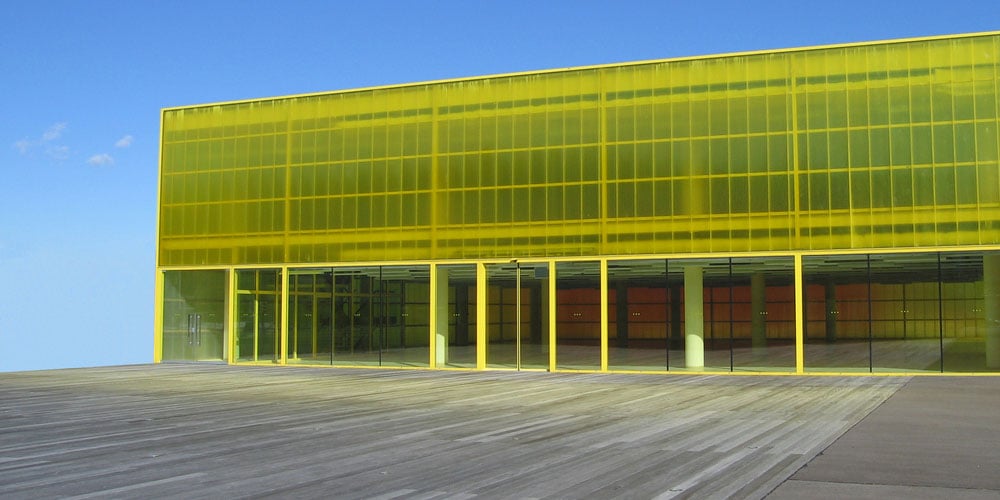
The primary root cause of rapid discoloration of polycarbonate (PC) panels installed in solarium porches in condominiums in South Florida is a material manufacturing defect. The defect is incomplete end-capping of the PC polymer chains during their manufacture. Non-end-capped PC polymer chains are known to be hydrolytically unstable and subject to degradation and discoloration problems.
In December of 2010, I visited a condominium complex where solarium porches had been constructed using aluminum framing and PC panels. I noticed severe discoloration and loss of clarity (Figures 1) in the panels. I also noticed that porches having greater sunlight exposure were worse. Further, I noticed that one of the PC panels had been replaced with an acrylic panel and that, even though the acrylic panel had been in place for several months, there was no sign of incipient degradation, discoloration, or loss of transparency (Figure 2).
It is well known that PC is inherently a non-weatherable material and is highly susceptible to degradation and discoloration upon exposure to heat/humidity and sunlight/UV (especially if not manufactured properly). Therefore PC used in outdoor applications must be manufactured well (polymer chains complete end-capped), and heavily stabilized with thermal, hydrolytic, and UV stabilizers. Further, it is known that the presence of trace chemicals can affect the hydrolytic stability of PC.
Previous lab work performed in the manufacturer’s laboratories suggested that the cause of the discoloration of the panels was due to incompatibility of the silicone caulk used during the installation with their PC panels. They based this conclusion on finding silicone-based chemicals on the surface of the discolored panels. A problem with this opinion is that trace silicone-based adhesives are also present on the surface of virgin polycarbonate panels from the protective contact paper added to protect the surfaces during shipping and handling.
Our lab work revealed that many trace elements (Al, Na, Br, Ca, Mg, Cl, Fe, K, P, S) are present on the surface of the discolored panels along with silicone-containing chemicals. However, a comparison of the data with a virgin panel having the surface protected with contact paper also revealed silicone chemicals. The primary difference in the chemical composition of the surfaces between the virgin and discolored panels was the presence of several trace metals including iron (Fe) and magnesium (Mg) and larger amounts of aluminum (Al). Iron, of course, is colored while aluminum and magnesium are commonly referred to by Chemists as “Lewis acids” and…

1 min read
The most common cause of plastic parts to weaken is exposure of the plastic to sunlight. Plastics consist of long polymer chain molecules...
1 min read
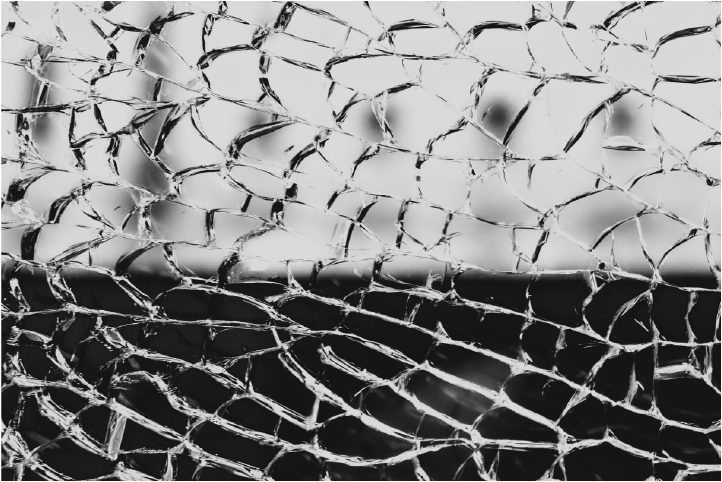
The two main reasons why plastic parts crack over time is due to natural aging and from exposure to chemicals. As plastics parts age, they get...
1 min read
The most common cause of plastic parts to weaken is exposure of the plastic to sunlight. Plastics consist of long polymer chain molecules...