
Construction Defects · CPVC · Piping · Building Materials
Construction Defect Expert Witnesses: CPVC, Piping & Building Materials
There are water pipes hidden inside the walls and ceilings of almost every building. Plastic pipes can degrade and break for several reasons. When a pipe breaks, it is important to hire a forensic plastic expert to determine the cause to determine which party is liable.
Forensic Evidence
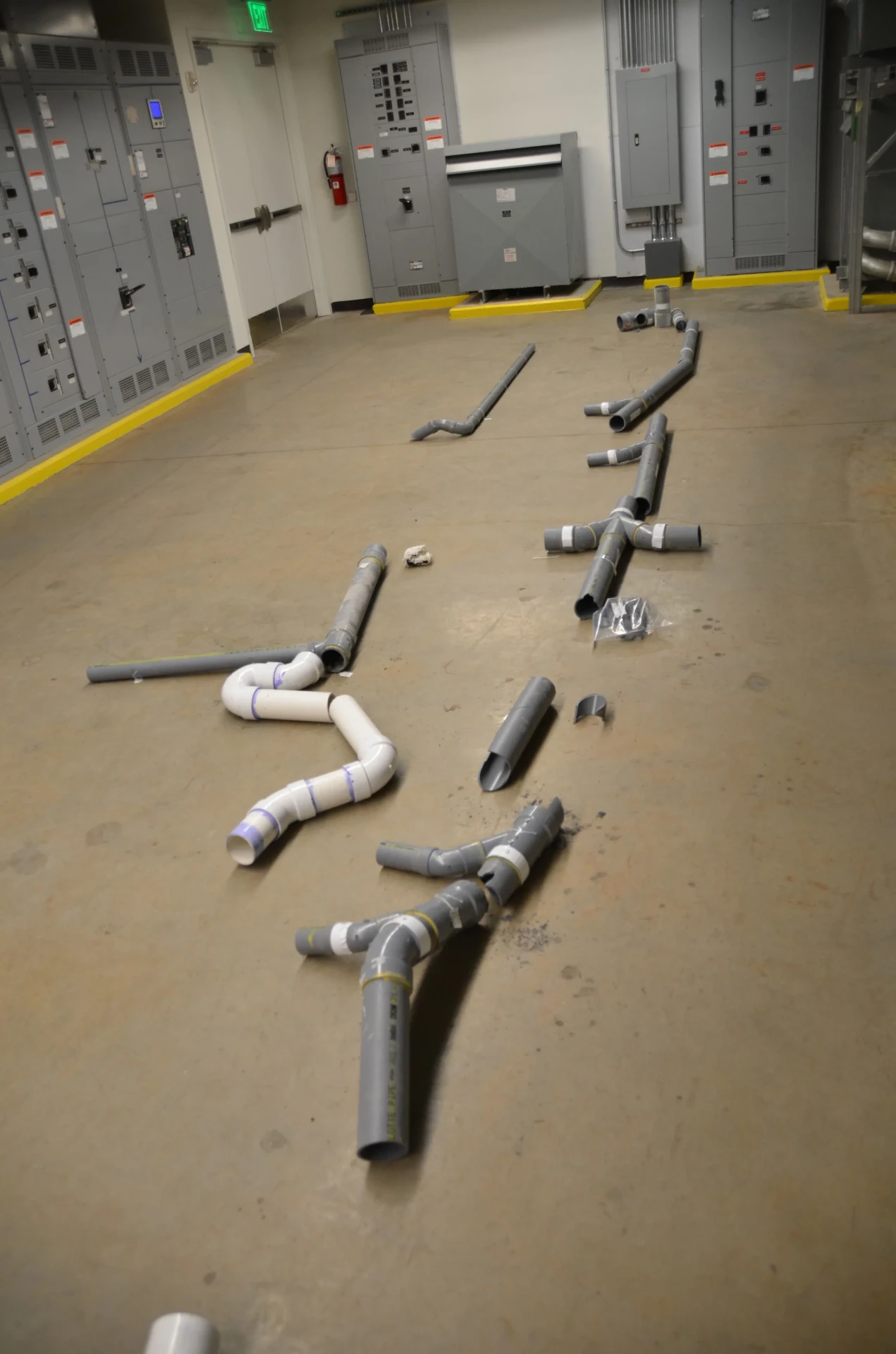
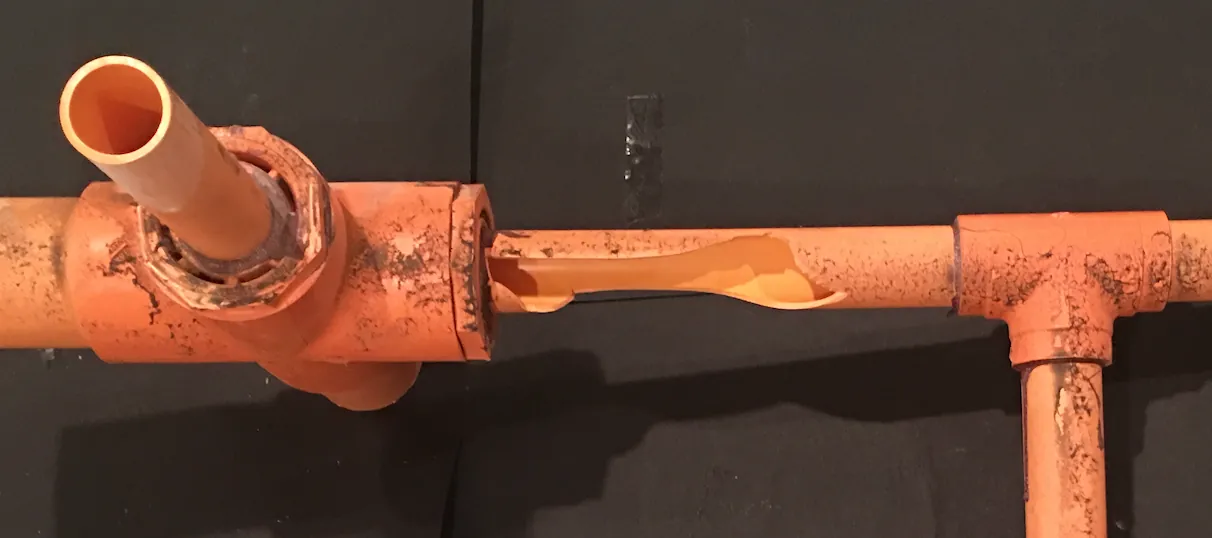
Pictured: Failed CPVC pipe sections
2007
First Discovery
580+
Litigation-Related Projects
50+
Buildings Investigated
Global
US, Europe & Asia-Pacific
Plastic Expert Group was the first, in 2007, to identify the cause of failure of CPVC fire sprinkler pipe in hybrid systems containing Allied ABF II lined steel pipe. We identified chemicals in the antibacterial film lining inside the steel pipe that migrated into the CPVC and caused it to fail. The manufacturer's parent company later disclosed to the SEC that it had received claims alleging that ABF is incompatible with CPVC and caused stress cracking in pipe made by third parties, and that it has not manufactured or sold the product for several years. The product left the market in 2010. Our fingerprint testing has since identified this mechanism in 16 separate client matters between 2011 and 2020.
Discuss your construction defect case →Construction Defect Specialties
Deep expertise across every category of construction-related plastic failure.
CPVC Fire Sprinkler System Failures
When multiple CPVC fire sprinkler failures occur in a building, it typically indicates systemic contamination rather than isolated incidents. Chemical incompatibility with spray foam (SPF), fire caulk, or other building materials causes environmental stress cracking (ESC) throughout the system, meaning the entire piping network may need replacement.
- Chemical incompatibility with moldicides and SPF insulation
- Environmental stress cracking (ESC) from subcontractor over-spray
- Systemic contamination requiring full system replacement
- Brittle fracture from antimicrobial chemical exposure
- Installation violations of ASTM and manufacturer specifications
PEX, PE-AL-PE, PP-R & PVC Piping Failures
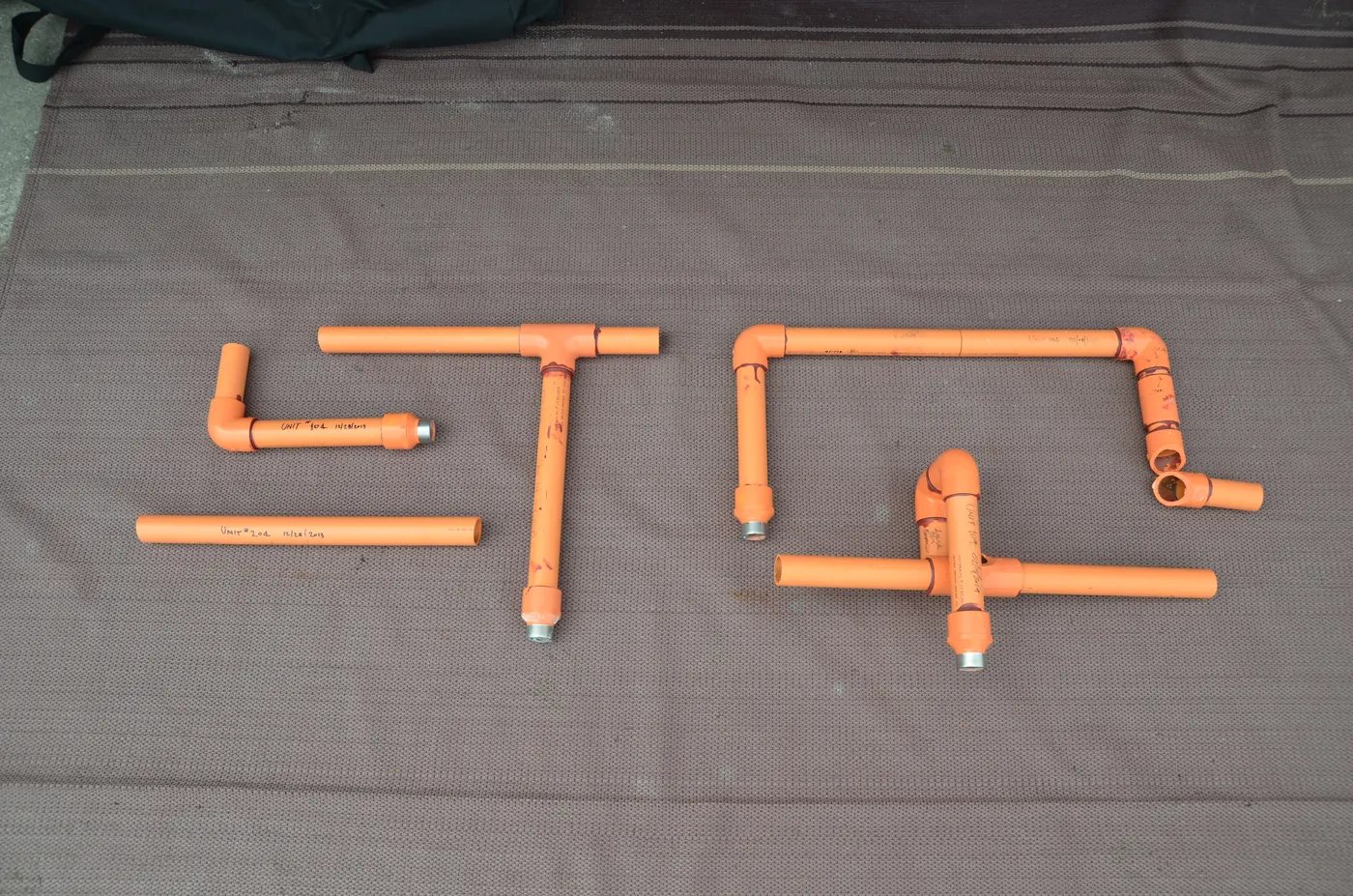
Modern buildings use several types of plastic piping (PEXa, PEXb, PEXc, PE-AL-PE, PP-R, CPVC, and PVC), each with distinct failure modes. PEX failures often stem from premature oxidative degradation and antioxidant depletion in hot chlorinated service. PE-AL-PE pipes can fail at the aluminum seam due to manufacturing defects in the overlap welding process.
- PEXa/PEXb/PEXc oxidative degradation and antioxidant depletion in the pipe wall
- PE-AL-PE aluminum seam delamination and overlap welding defects
- PP-R (polypropylene copolymer) pipe and fitting failures
- PVC installation and manufacturing defects
- PEX failures caused by defective installation or operation
Window Frames, Siding & Decking Defects
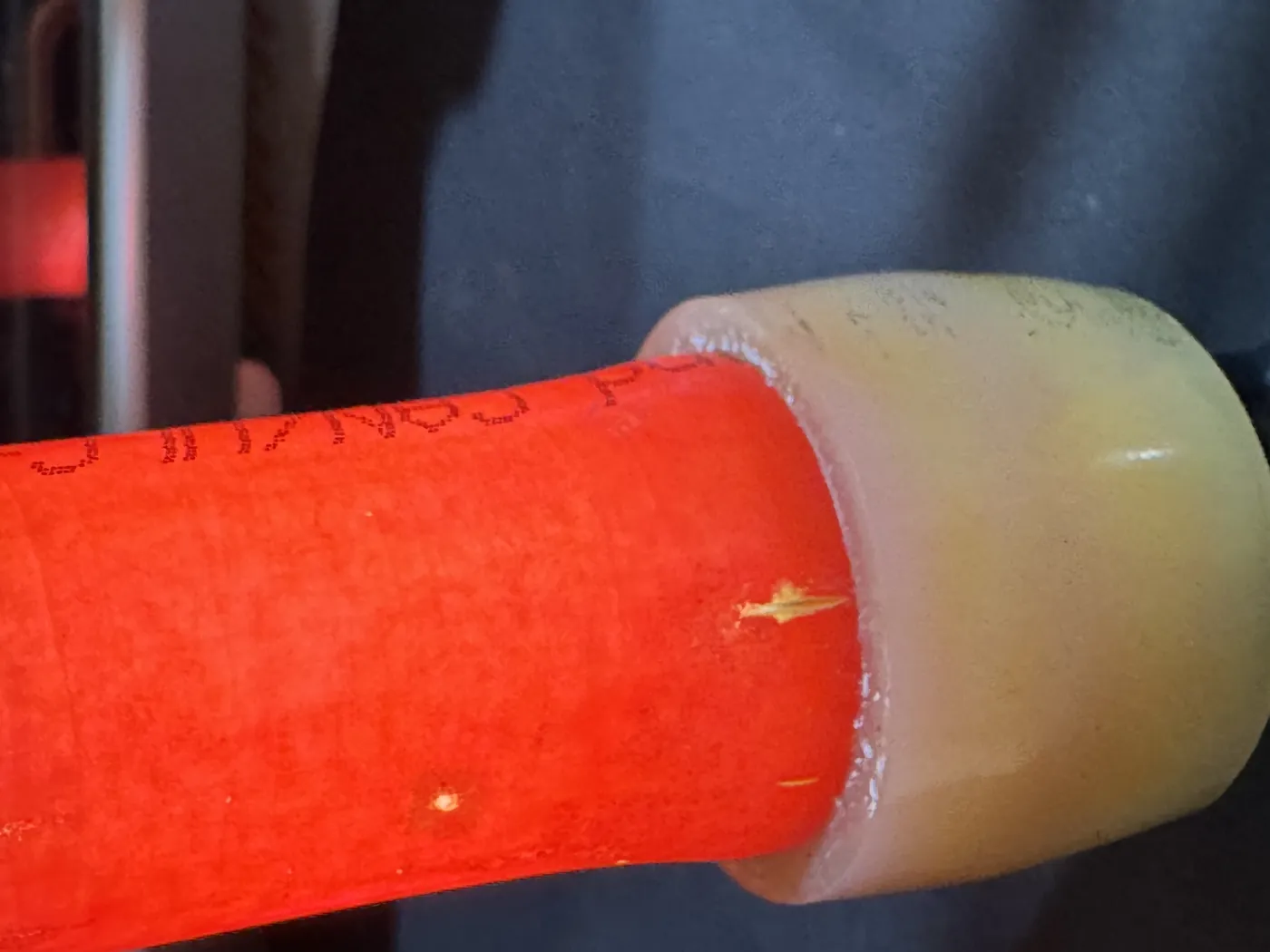
PVC is the second most common plastic used in building products, from window frames to siding to composite decking. These components can warp and crack due to residual stress from the manufacturing process combined with sun exposure and thermal cycling. Our experts analyze whether failures result from material defects, design errors, or improper installation.
- PVC window frame warping from residual manufacturing stress
- Vinyl siding buckling and cracking under thermal cycling
- Composite decking structural failures and delamination
- UV degradation of exterior plastic components
- Improper material selection for environmental conditions
The CPVC Crisis in Modern Construction
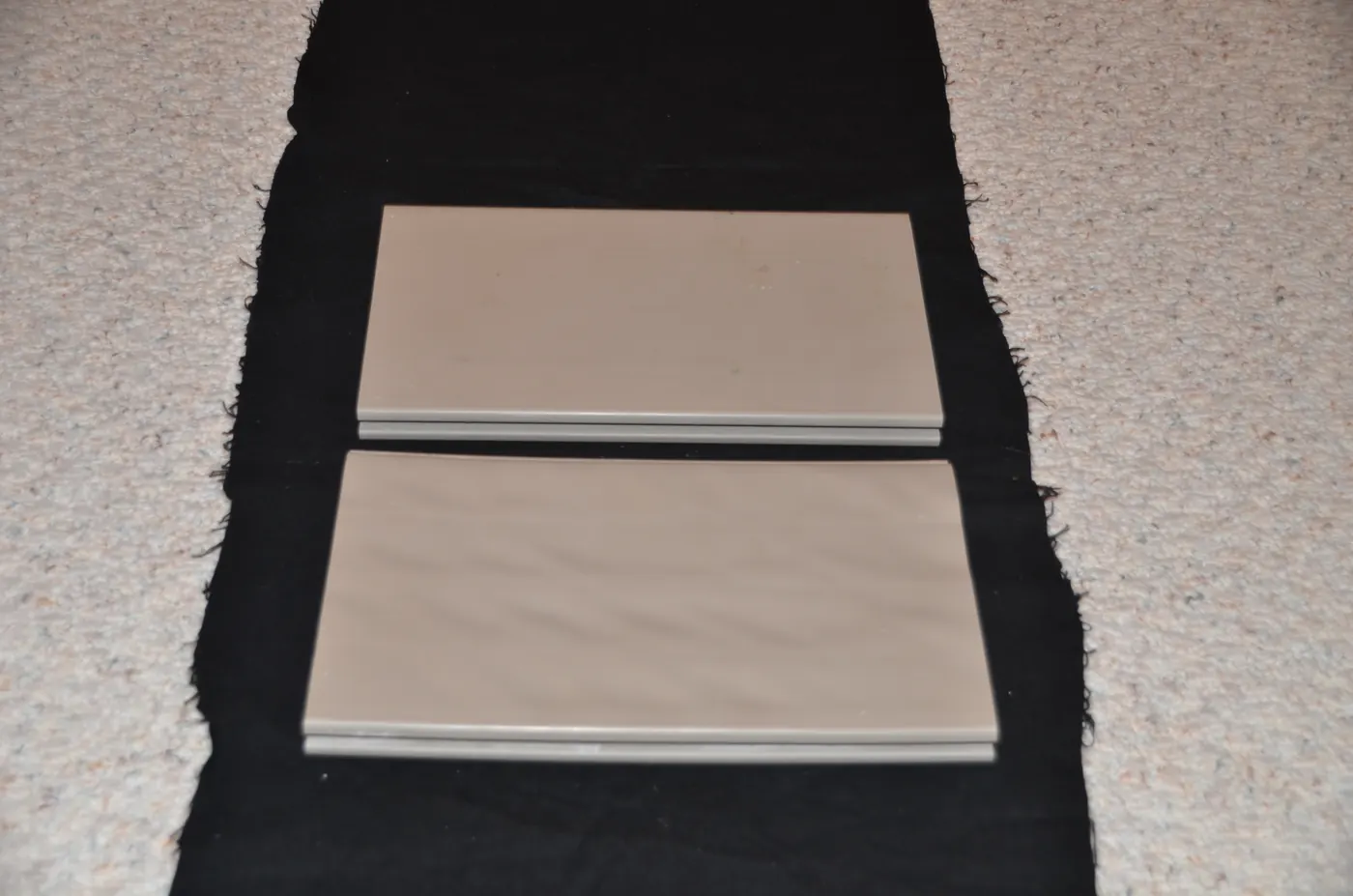
CPVC pipe is chemically sensitive to a wide range of common building materials, including moldicides, spray foam insulation, fire caulk, and even some pipe hangers. When these incompatible chemicals come into contact with CPVC, they cause environmental stress cracking (ESC), a failure mechanism where the polymer chains making up the plastic disentangle causing the pipe to become brittle and crack.
The problem is widespread. Many different subcontractors perform their activities in the vicinity of CPVC pipe and are unaware of the chemical sensitivity. Over-spray from insulation installers, drips from fire caulk applicators, and improper joint installation can trigger failures that may not manifest for months or years.
Class action lawsuits and multi-million dollar construction defect claims involving CPVC piping have been filed across the country. We remain one of the leading authorities on CPVC failure forensics, a specialization that began with our original identification of this failure mechanism (see our track record above).
Common Causes of CPVC Failure
Understanding the root cause is critical to determining liability in construction defect litigation.
Where Our Findings Differ From SPF Industry Guidance
What attorneys handling CPVC and spray-foam matters should know.
Since 2008 we have investigated CPVC fire sprinkler failures in which spray polyurethane foam insulation was the chemical source. Our findings on the mechanism differ from guidance published by some spray-foam industry groups.
The difference is about conditions, not good faith. Laboratory compatibility testing is generally conducted on controlled specimens. In a building, foam is applied in thick layers that generate substantial exothermic heat, and mixing ratios vary with the installer, the equipment, and the conditions on the day. Those variables are difficult to reproduce in a laboratory, and they are the ones we see driving failures in the field.
The chemistry itself is not in dispute. Spray polyurethane foam contains ester fire retardants that are incompatible with CPVC, and unreacted isocyanates and polyols remain available where mixing was off-ratio. Once those migrate into a stressed pipe wall, environmental stress cracking follows.
Where a specific failure sits on that spectrum is a question of evidence, not of position. We identify the chemical present on the fracture surface and match it to the product that contacted the pipe.
Advanced Forensic Capabilities
Laboratory instrumentation that provides court-ready evidence for construction defect litigation.
Scanning Electron Microscopy (SEM)
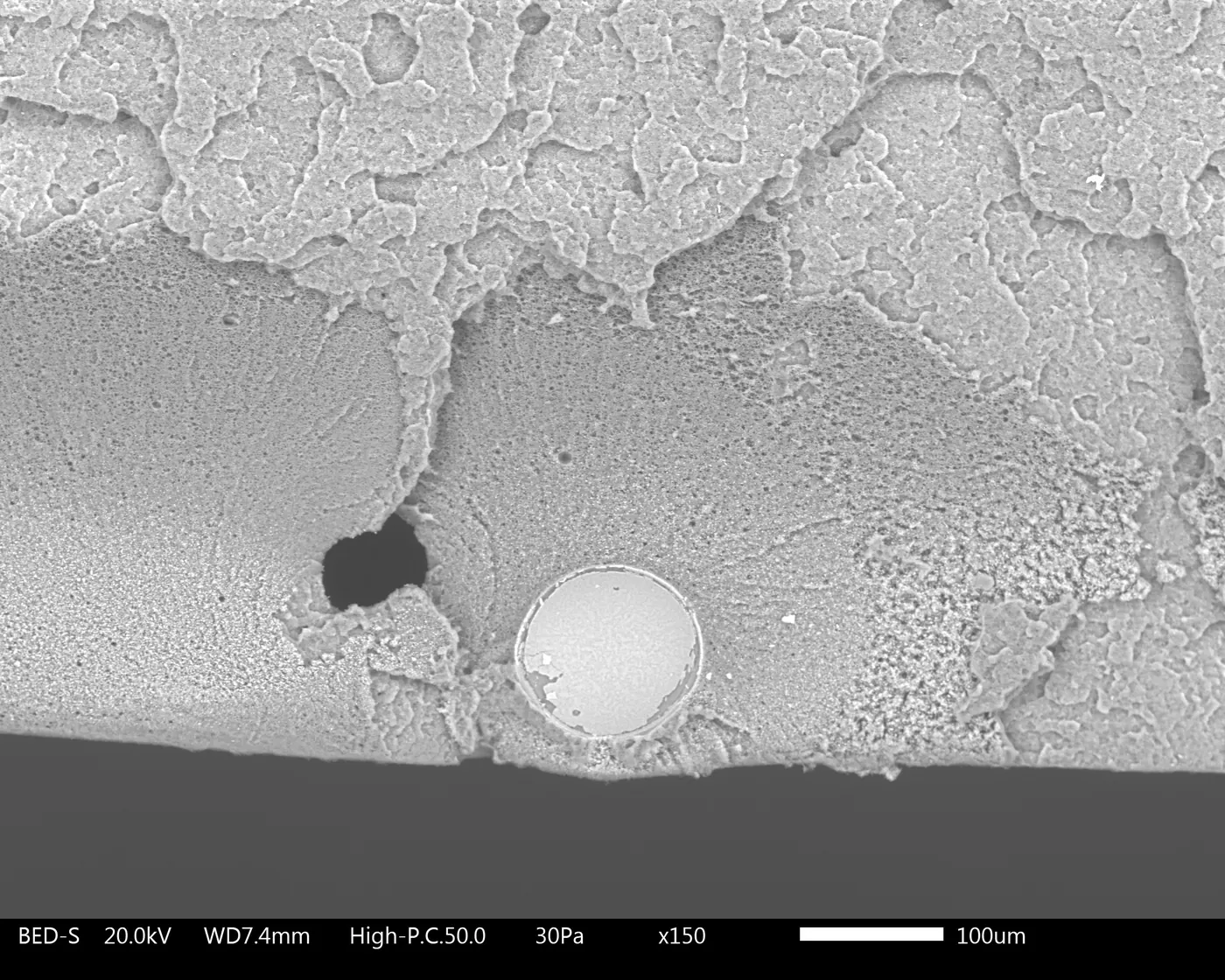
SEM reveals fracture patterns invisible to the naked eye: creep, environmental stress cracking (ESC), tensile overload, slow crack growth (SCG), high-speed impact, and fatigue. By examining the fracture surface at high magnification, we identify the crack initiation point and determine the failure mechanism with high scientific certainty.
FTIR Spectroscopy
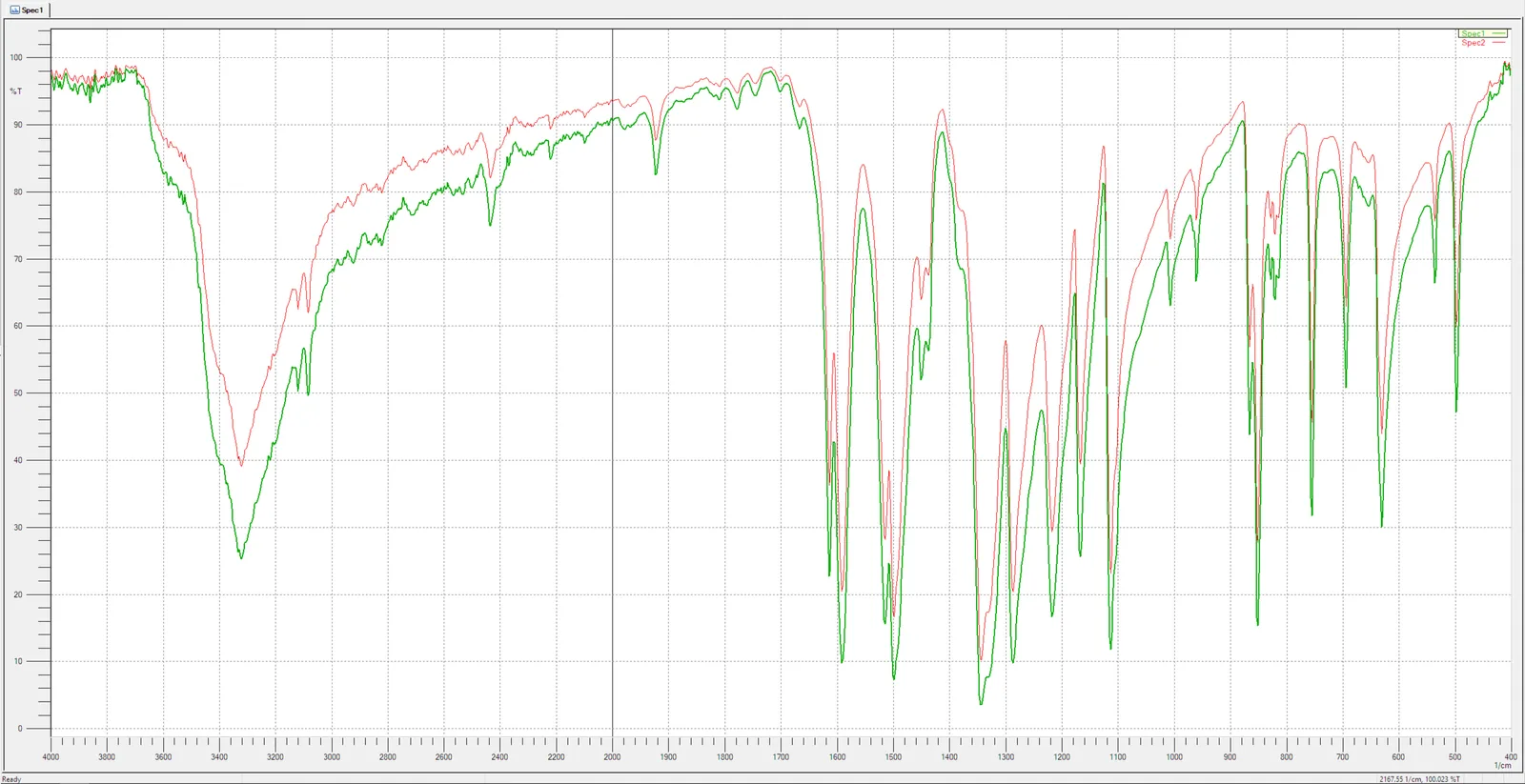
FTIR 'fingerprints' contaminants found on pipe fracture surfaces. Our computer library contains tens of thousands of chemical fingerprints, including commercial fire caulks, spray foam formulations, and pipe cements. When an unknown substance is found on a failed pipe, FTIR can identify it, even matching it to a specific manufacturer's product.
Non-Destructive Testing
Ultrasonic inspection, CT scanning, and other non-destructive techniques allow us to assess piping systems in-situ without removing or damaging samples. It is best to use non-destructive testing methods first, as the samples are preserved for subsequent laboratory analysis if needed. These non-destructive inspections yield impressive images and are particularly valuable for identifying installation defects in fire sprinkler systems in occupied buildings.
CPVC Remediation Process
From failure investigation to long-term monitoring: a proven four-step process.
Failure Investigation
Determine the root cause of pipe failures through on-site inspection, sample collection, and laboratory analysis. Identify whether failures are systemic or isolated.
Piping System Assessment
Deploy ultrasonic and other non-destructive inspection techniques to assess the condition of the entire piping system without destructive testing. Map the extent of contamination or degradation.
Remediation Recommendations
Provide detailed remediation plans to restore system reliability, from targeted repairs to full system replacement, with cost estimates and prioritized implementation schedules.
Monitoring & Compliance
Develop ongoing monitoring protocols and compliance guidance to prevent latent failures. Ensure remediation/repipe work meets ASTM standards and manufacturer specifications.
Representative Construction Defect Cases
A selection from our 580+ litigation-related projects.
CPVC Fire Sprinkler System: High-Rise Condo
Chlorinated PVC (CPVC)
A proprietary non-destructive inspection technique revealed widespread ASTM and manufacturer installation violations. Multiple failures indicated systemic contamination from incompatible building materials applied by other subcontractors.
PEX Pipe Failures: High-Rise Condominium
Cross-linked Polyethylene (PEX)
Laboratory analysis identified premature oxidative degradation and antioxidant depletion in the PEX pipe. Premature pipe failures in a building less than 10 years old.
Automotive Headrest Defect: Product Liability
Engineered Thermoplastic
Spring-loaded headrests were slamming into vehicle occupants due to a defective plastic component in the release mechanism. Failure analysis identified design deficiency in the polymer latch assembly.
Deposition Highlight
"How much pipe needs to be replaced?" Answer: "Fire sprinkler piping is a life-safety system and must work if a fire occurs or lives will be lost. Since the entire piping system is contaminated, all of the CPVC piping must be replaced in order to restore the system to a reliable condition. I recommend a proprietary non-destructive inspection technique for the CPVC joints after remediation to ensure that the repipe was done properly."
Have a similar construction defect case?
Why Choose Plastic Expert Group
Specialized polymer expertise that holds up in construction defect litigation.
Decades of Specialization
We are one of the most experienced experts in plastic pipe failure in the world. Our team has investigated construction defect cases since 2007 and has built a specialized track record in CPVC and construction polymer failures since.
Peer-Reviewed Publications
We have several scientific journal publications on pipe failure case studies, ESC mechanisms, and forensic methodology. Our research is cited in industry publications and referenced in construction defect litigations nationwide.
Ph.D.-Level Credentials
Our experts have hundreds of years of combined experience working with plastics. They hold advanced degrees in polymer science, materials engineering, and fracture mechanics. This specialized knowledge is critical for construction defect cases involving plastics.
Manufacturer-Side Experience
Background working with resin manufacturers and fabricators gives us cross-examination advantage. We understand how pipes are made, what can go wrong in production, and how to identify manufacturing defects that other experts miss.
Construction Defect FAQ
Common questions from attorneys handling CPVC and construction defect cases.
Accreditations & Affiliations
Independent accredited labs across North America, Europe, Asia-Pacific, Australia, and the Middle East

Request a Construction Defect Analysis
Tell us about your construction defect case including the age of the building, the number and locations of the failures, and the approximate cost of repairs to date. Our experts typically respond within 24 hours with a project proposal.
24-Hour Response
Initial case assessment within one business day.
Prefer to Call?
+1 (989) 281-4465