
Forensic Testing · FTIR · SEM · DSC · GPC · GC-MS · TGA · LC-MS · CT Scanning
Court-Admissible Forensic Testing & Plastic Failure Analysis
Court-admissible reports provide expert opinions used by attorneys to support claims. Our ASTM-compliant protocols, network of independent A2LA-accredited affiliate laboratories, and Ph.D.-level experts ensure your forensic evidence withstands Daubert challenges.
In the Lab
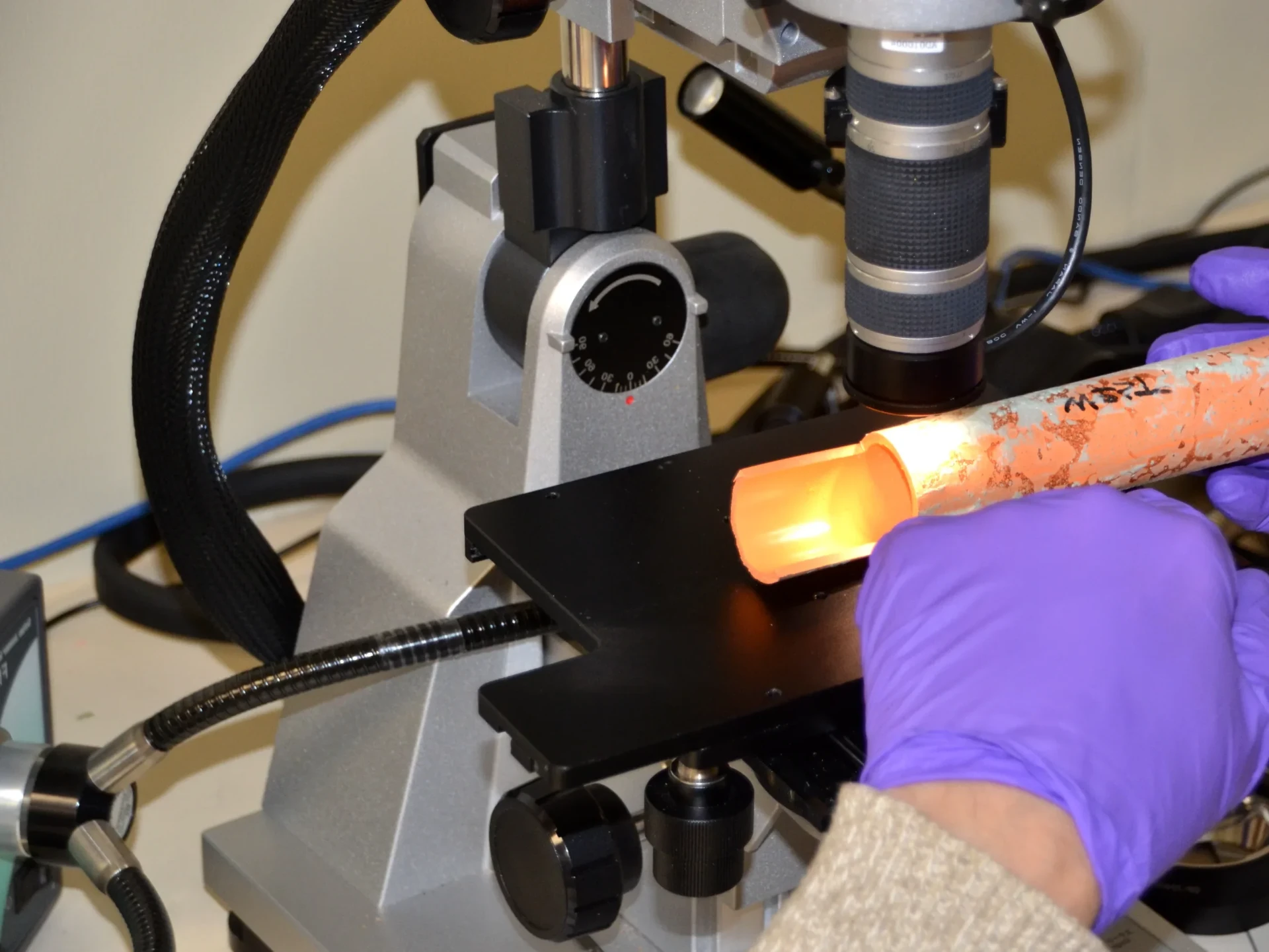
Pictured: Specimen under the microscope
580+
Litigation-Related Projects
70+
Experts
Global
US, Europe & Asia-Pacific
A2LA-Accredited Affiliate Labs · ASTM-Compliant Protocols · Ph.D.-Level Experts
Why Forensic Testing Matters in Litigation
The difference between a general lab report and court-admissible forensic evidence.
Court-Admissible Reports
Court-admissible reports provide expert opinions used by attorneys to support claims. Reports meet state and federal requirements; a 'for-information-only' lab report does not.
Calibrated & Certified Equipment
We only use independent, A2LA-accredited labs. Equipment is kept calibrated to ensure reliability.
Ph.D.-Level Interpretation
Data in and of itself is useless without interpretation. Interpretation of lab data and conclusions are only as good as the qualifications of the expert rendering the opinions.
ASTM Protocol Compliance
We follow ASTM standards for handling and testing evidence. We prepare a laboratory testing protocol required to collect data to reach an expert opinion within a reasonable degree of scientific certainty.
Comprehensive Testing Capabilities
Our core forensic analytical methods include CT scanning, optical microscopy, scanning electron microscopy with energy-dispersive spectroscopy (SEM/EDS), Fourier-transform infrared spectroscopy (FTIR), gas chromatography-mass spectrometry (GC-MS), differential scanning calorimetry (DSC), thermogravimetric analysis (TGA), gel permeation chromatography (GPC), and mechanical strength testing, and ultrasonic non-destructive inspection of pipe and fusion joints, each providing court-admissible evidence for plastic failure litigation.
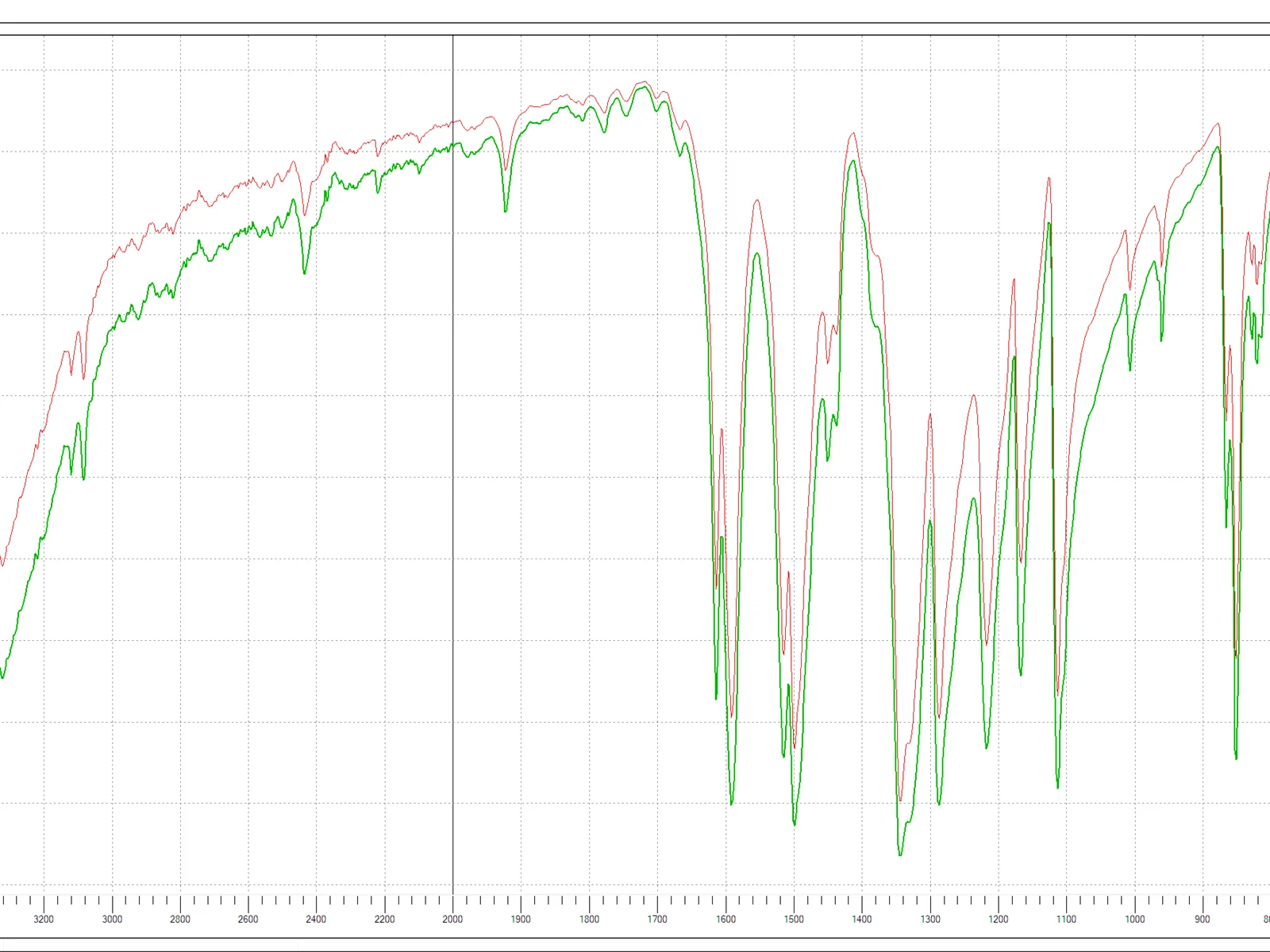
FTIR: Chemical Identification
FTIR is typically the first go-to test to determine what chemical caused a failure. Every chemical has a unique FTIR 'fingerprint.'
- Unique chemical fingerprint identification
- Computer library matching against tens of thousands of chemicals
- Unmasks material substitution and off-spec resins
- Identifies contaminants that caused failure
- Most tests require only milligrams of material
GC-MS: Mixture Separation & Identification
When FTIR reveals a complex mixture, GC-MS separates the chemicals into individual components, then matches each component against thousands of chemicals in the MS fingerprint library.
- Separates complex chemical mixtures into components
- Mass spectrometry library matching for precise identification
- Paired with FTIR for comprehensive chemical profiling
- Identifies trace contaminants and degradation byproducts
- Critical for cases involving chemical incompatibility

SEM & EDS: Microscopic Fracture Surface Analysis (Fractography)
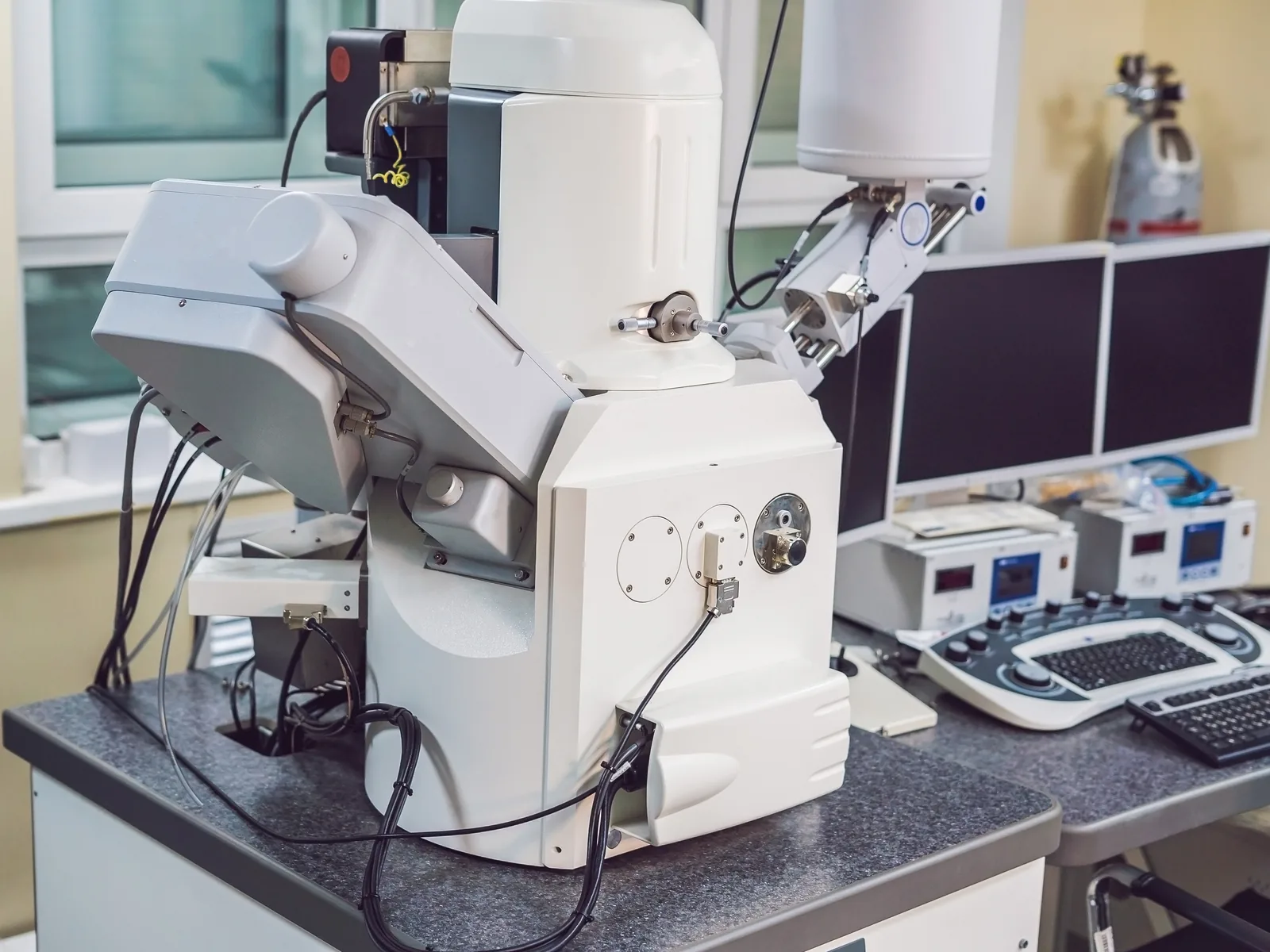
Optical microscopes have limited magnification. SEM achieves exceptionally high magnification with excellent contrast. EDS identifies chemical elements on the fracture surface.
- Exceptionally high magnification with excellent contrast
- EDS identifies elemental composition of defect particles
- Reveals fracture modes: ESC, fatigue, creep, tensile overload
- Gold standard for proving crack initiation at defect sites
- Imaging beyond what optical microscopes can resolve
DSC & TGA: Thermal Analysis
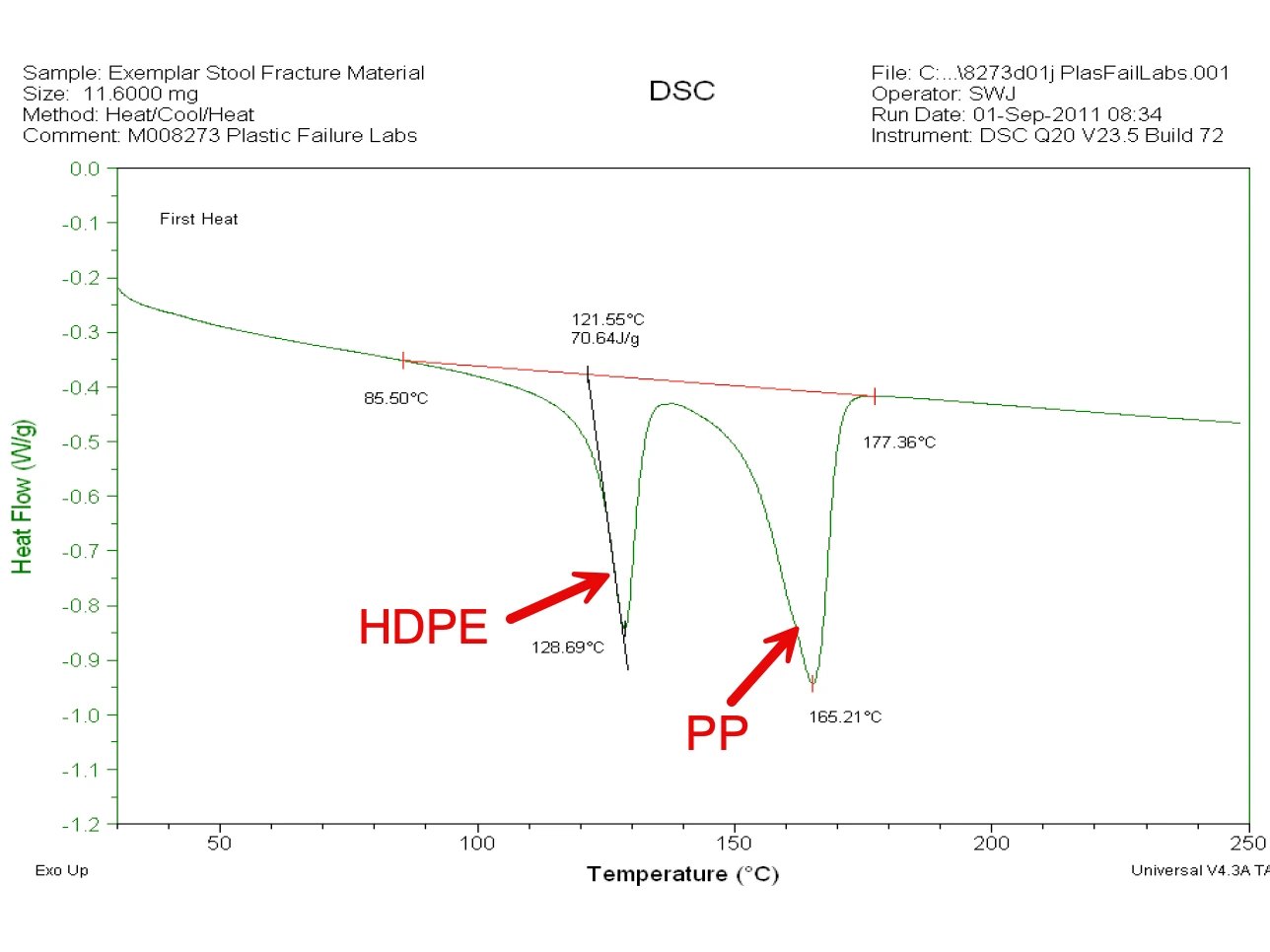
DSC identifies crystalline plastics by their unique melting points. If mixed recycled plastic was used, the product will show more than one melting point, proving contamination. TGA determines filler content and thermal stability.
- DSC identifies crystalline plastics by melting point
- Detects recycled or contaminated resin (multiple melting points)
- TGA measures filler content (glass fiber, carbon, inorganic)
- Determines thermal stability of the material
- Proves manufacturer used regrind or off-spec material
GPC: Polymer Chain Length & Regrind Detection
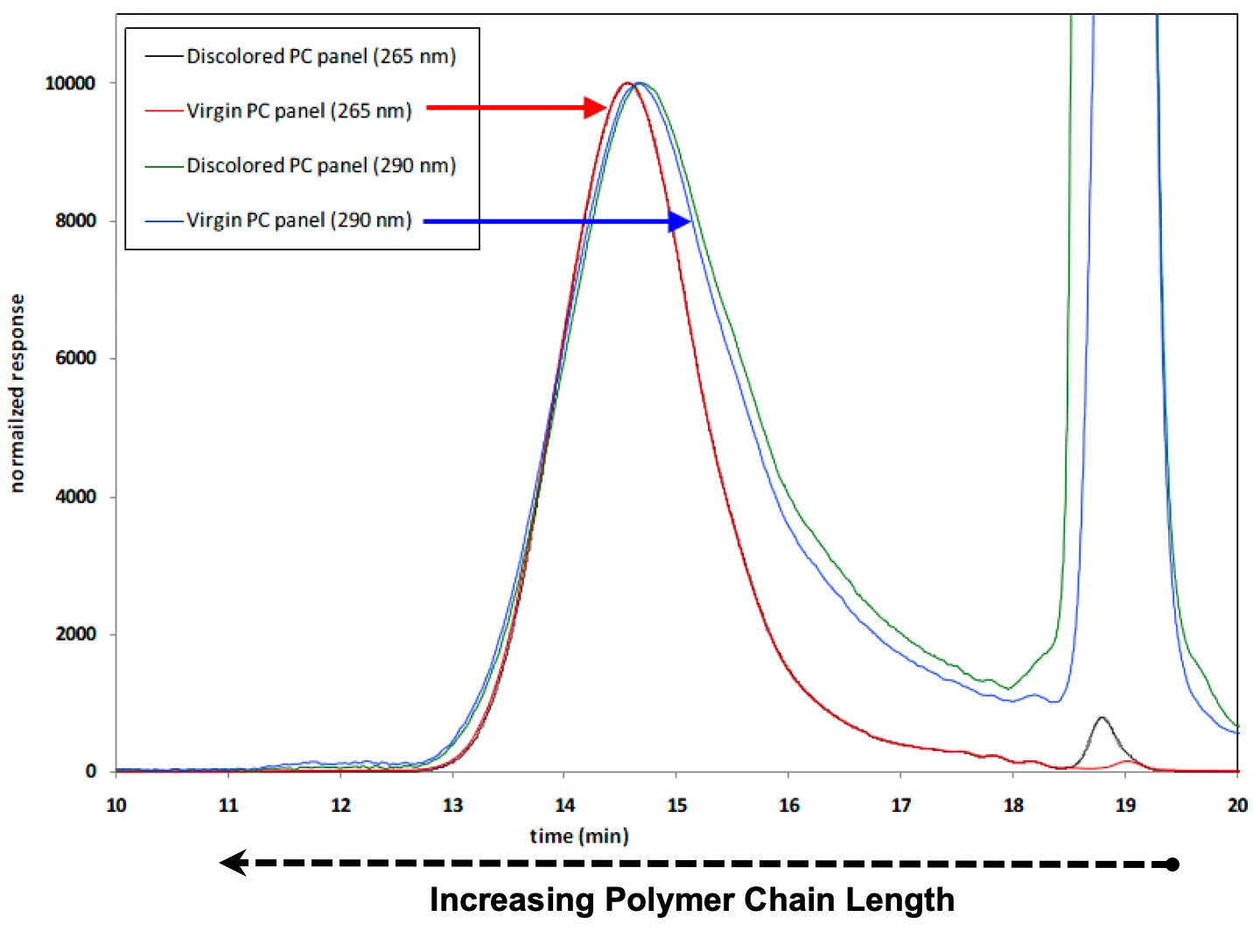
Every time a plastic is heated and processed, the polymer chain molecules are shortened. GPC measures the length of polymer chains. A high population of short chains means excessive regrind was used.
- Measures polymer chain length distribution
- Detects excessive regrind (short polymer chains = weak parts)
- Quantifies degree of thermal degradation from processing
- Proves manufacturer saved money by using recycled material
- Visual X-Y graph format easily understood by juries
DMTA: Temperature Sensitivity Analysis
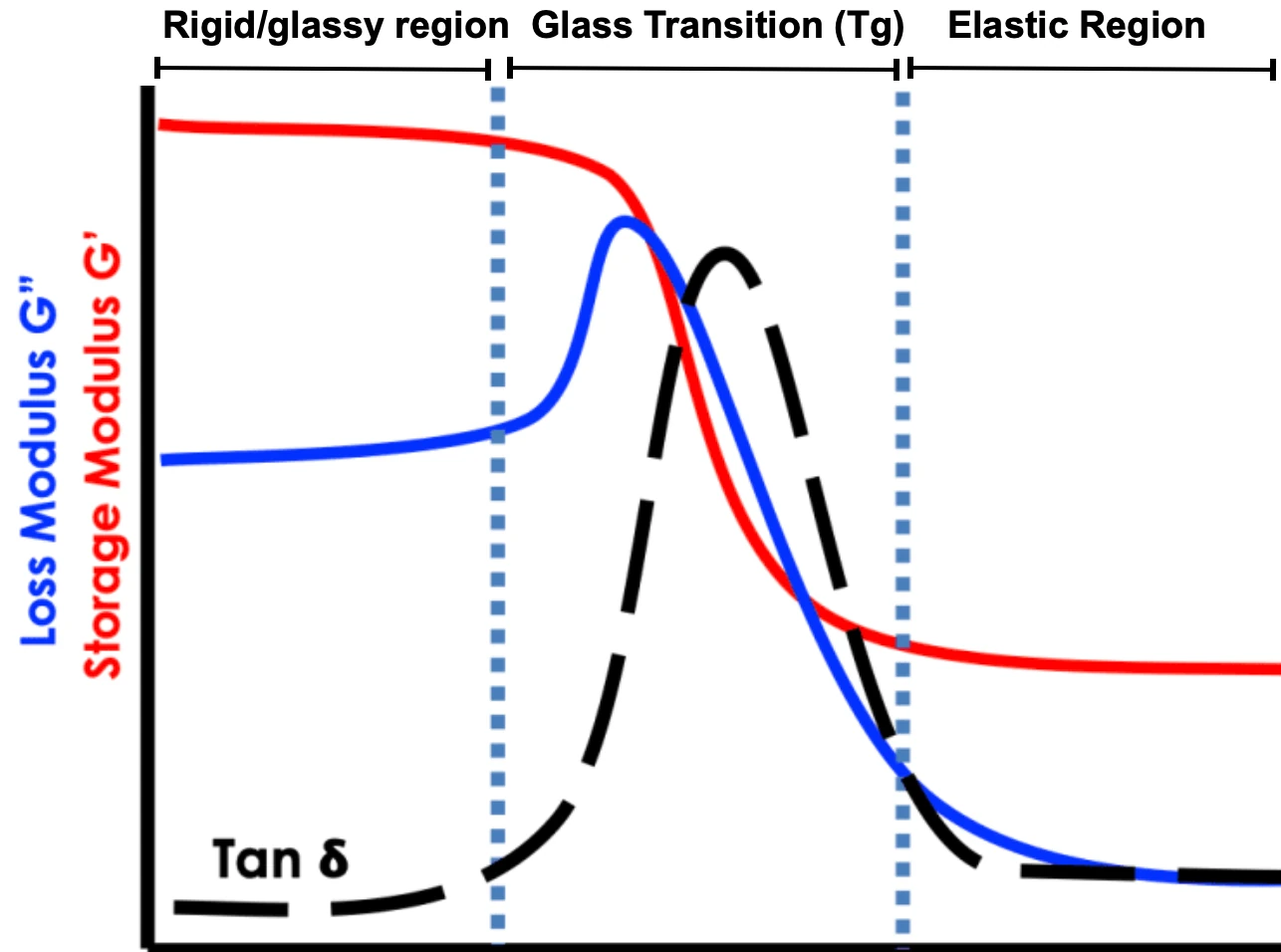
Plastics weaken when heated. DMTA provides data to determine the temperature sensitivity of a plastic part and the maximum temperature it can withstand before collapse.
- Determines temperature sensitivity of plastic materials
- Identifies maximum service temperature before collapse
- Explains failures under combined heat and mechanical load
- Critical for automotive under-hood and industrial applications
- Proves material was inappropriate for service conditions
Standardized Test Methods
See the full list of 257+ standardized test methods our experts run through accredited affiliate laboratories.
Root Causes We Investigate
The failure modes our forensic testing is specifically designed to identify and prove.
Chemical Incompatibility
The silent killer of CPVC, polycarbonate (PC), styrenic plastics, and acrylic systems
PEX Oxidative Degradation
Premature failures from oxidative degradation and antioxidant depletion
SPF Chemical Migration
Spray foam insulation attacking CPVC pipe
Protective Coating & Barrier Failures
Coatings, linings, and barrier films that failed to cure, delaminated, or lost their barrier
Advanced Capabilities
Accelerated Aging & Comparative Testing
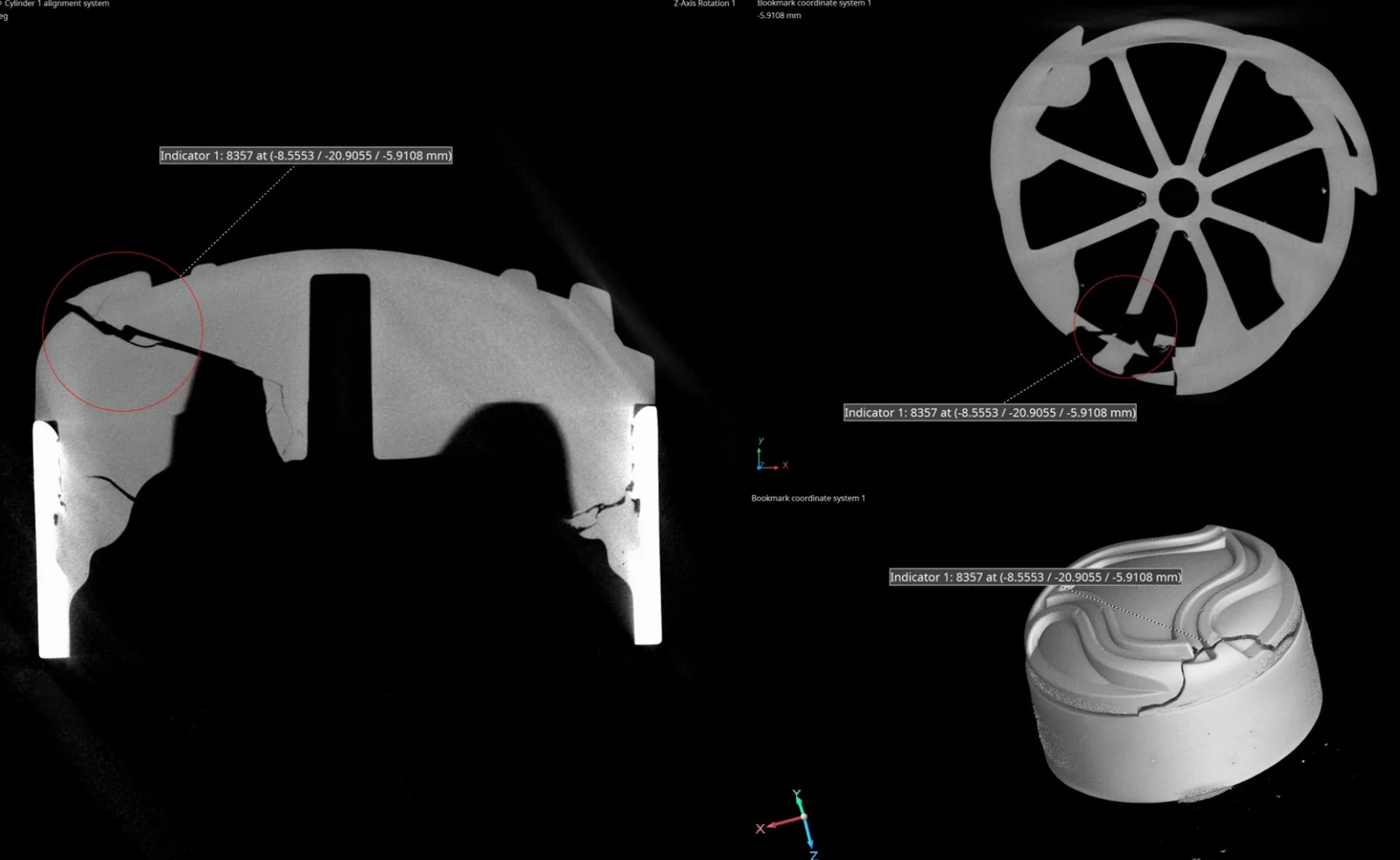
We generally analyze "good" samples using CT scanning. CT scans often reveal incipient cracks in the unused part at the exact location where the crack initiated in the failed part. This proves a design defect is causing the failures, not user error or environmental factors. We also run accelerated-aging studies, using elevated-temperature and chemical exposure with Arrhenius analysis, to estimate a part's long-term service life.
CT Comparative Analysis
Non-destructive CT scans of "good" parts reveal hidden defects at the same locations where failed parts cracked, proving systemic design deficiency.
Accelerated Aging & Arrhenius Lifetime Prediction
Controlled elevated-temperature and chemical exposure (including ASTM D543 chemical resistance) with Arrhenius extrapolation to predict a part's long-term service life and estimate time to failure.
ASTM D3895 OIT Testing
Oxidative Induction Time tests measure how much antioxidant stabilizer remains in a polyolefin, a key input to service-life assessment.
DMTA Temperature Profiling
Determines the maximum temperature a plastic part can withstand before collapse.
Testing That Proved the Case
Representative cases where forensic testing provided the decisive evidence.
CPVC Fire Sprinkler: Chemical Incompatibility
Chlorinated PVC (CPVC)
FTIR identified incompatible acoustical caulk causing ESC cracking. SEM revealed fracture patterns confirming chemical penetration from outside surface. Replacement of all CPVC pipe at wall penetrations where the incompatible acoustical caulk was used.
PEX Piping: Premature Oxidative Degradation
Cross-linked Polyethylene (PEX)
OIT testing (ASTM D3895) confirmed premature antioxidant depletion in PEX pipe from a leading manufacturer. The pipe degraded and became brittle within a few years of installation.
Consumer Product: Contaminated Resin Detection
Polypropylene (PP)
DSC analysis revealed dual melting points proving recycled plastic contamination. GPC confirmed high population of short polymer chains from excessive regrind. Product failed due to weakened material.
Need forensic testing for your case?
Attorney's Guide to Forensic Evidence
Critical protocols that ensure your forensic evidence survives Daubert challenges and court scrutiny.
Evidence Handling & Chain of Custody
- Photo-document the area around the pipe before and after removal
- Chain of custody document must detail the location in the building and the date removed
- Sample must be wrapped in plain aluminum foil, then placed in a labeled plastic bag
- After non-destructive examination, parts go to independent certified lab with COC for joint testing
Daubert Compliance Protocol
- The scientific method must be followed during testing
- Instruments used to collect data must have documented calibration
- Control samples should be run alongside subject samples to verify equipment accuracy
- Testing protocol prepared and agreed upon by all parties before analysis begins to ensure agreement and acceptance
Expert Interpretation & Reporting
- Data, in and of itself, is useless without interpretation by a qualified expert
- Interpretation and conclusions are only as good as the qualifications of the expert
- Reports meet state and federal court-admissibility requirements
- Expert opinions rendered within a reasonable degree of scientific certainty
Testing Protocols for Legal Cases
Select the level of forensic investigation required. Each testing plan builds on previous experience.
Preliminary Non-Destructive Testing
Non-destructive evaluation and preliminary findings
- Chain of custody documentation
- CT scanning (non-destructive)
- Photography & visual examination
- Preliminary verbal opinion (3 days)
Most Popular
Comprehensive Analysis
Full forensic investigation with court-admissible reporting
- Everything in Preliminary Non-Destructive Testing
- Test protocol development and approval
- SEM/EDS fractography to determine causation
- If chemical involvement (ESC) is indicated, FTIR to identify the chemical
- If FTIR is not conclusive, GC-MS to further identify chemicals present
- DSC & TGA thermal analysis
- GPC polymer chain length distribution
- Mechanical testing (tensile, impact, hardness)
- Court-admissible expert report
Litigation Support
Complete forensic package with expert witness services
- Everything in Comprehensive Analysis
- Exemplar testing
- Computer modeling to simulate the failure
- Statistical analysis
- Remediation recommendation
- Accelerated aging studies
- Assist in discovery process
- Assist as needed for mediation and settlement discussions
- Prep for deposition and trial
How Testing Shifts Legal Strategy
Whether you represent the plaintiff or the defense, forensic data changes the trajectory of your case.
For Plaintiff Attorneys
- High-rise condominiums contain thousands of feet of plastic pipe. Proprietary non-destructive inspection techniques collect and archive thousands of images to quantify installation quality
- During inspection, proprietary non-destructive inspection techniques can reveal totally plugged pipes, installation defects, and incipient cracks
- When cracks are found, immediate replacement is recommended with pipes and fittings marked for removal
- Expert views all images and quantifies the quality of the installation, providing data to support damages claims across thousands of units
For Defense Attorneys
- Whether expert for Plaintiff or Defense, forensic analysis is critical
- Test results prove the root cause of failure, sometimes revealing the Plaintiff's theory is wrong
- The sooner incorrect theories are identified, the better for all parties
- When multiple potential defendants are put on notice, forensic analysis pinpoints the specific defendant at fault
Turning Data Into Jury-Friendly Evidence
Demonstrative evidence that makes complex science understandable to any audience.
GPC data is typically demonstrated using a visual X-Y graph. The shape of the graph tells the story which can be easily and simply explained so that a lay person can understand.
Fracture surfaces are three-dimensional, including length, width, and depth. Most simple microscope images only provide a 2D view. Our high-end microscopes generate 3D images of the fracture surface showing the topology of the fracture.
Computer simulations and videos are powerful tools to demonstrate and explain complex technical concepts.
GPC Distribution Graphs
X-Y graphs showing polymer chain length distribution: short chains mean regrind, long chains mean quality. The shape tells the story at a glance.
3D Fracture Mapping
High-resolution stitched images showing fracture surface topology in three dimensions, dramatically more compelling than flat 2D microscopy.
Forensic Testing FAQ
Practical logistics of forensic testing for attorneys and investigators.
Accreditations & Affiliations
Independent accredited labs across North America, Europe, Asia-Pacific, Australia, and the Middle East

Request a Forensic Testing Quote
Tell us about your case. Our experts can provide a verbal preliminary opinion within 3 days of receiving your sample, starting with non-destructive CT scanning.
3-Day Preliminary Opinion
CT scan-based verbal findings within 3 business days of sample receipt.
Prefer to Call?
+1 (989) 281-4465