
Product Liability · Consumer Products · Automotive · Industrial
Product Liability Expert Witnesses for Defective Plastic Products
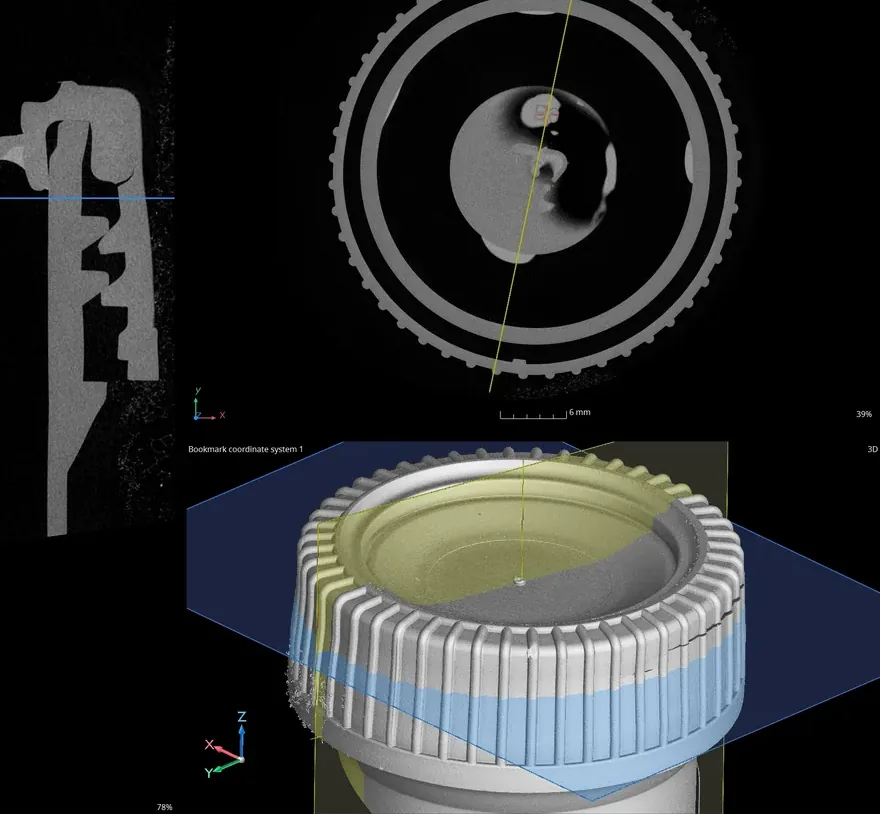
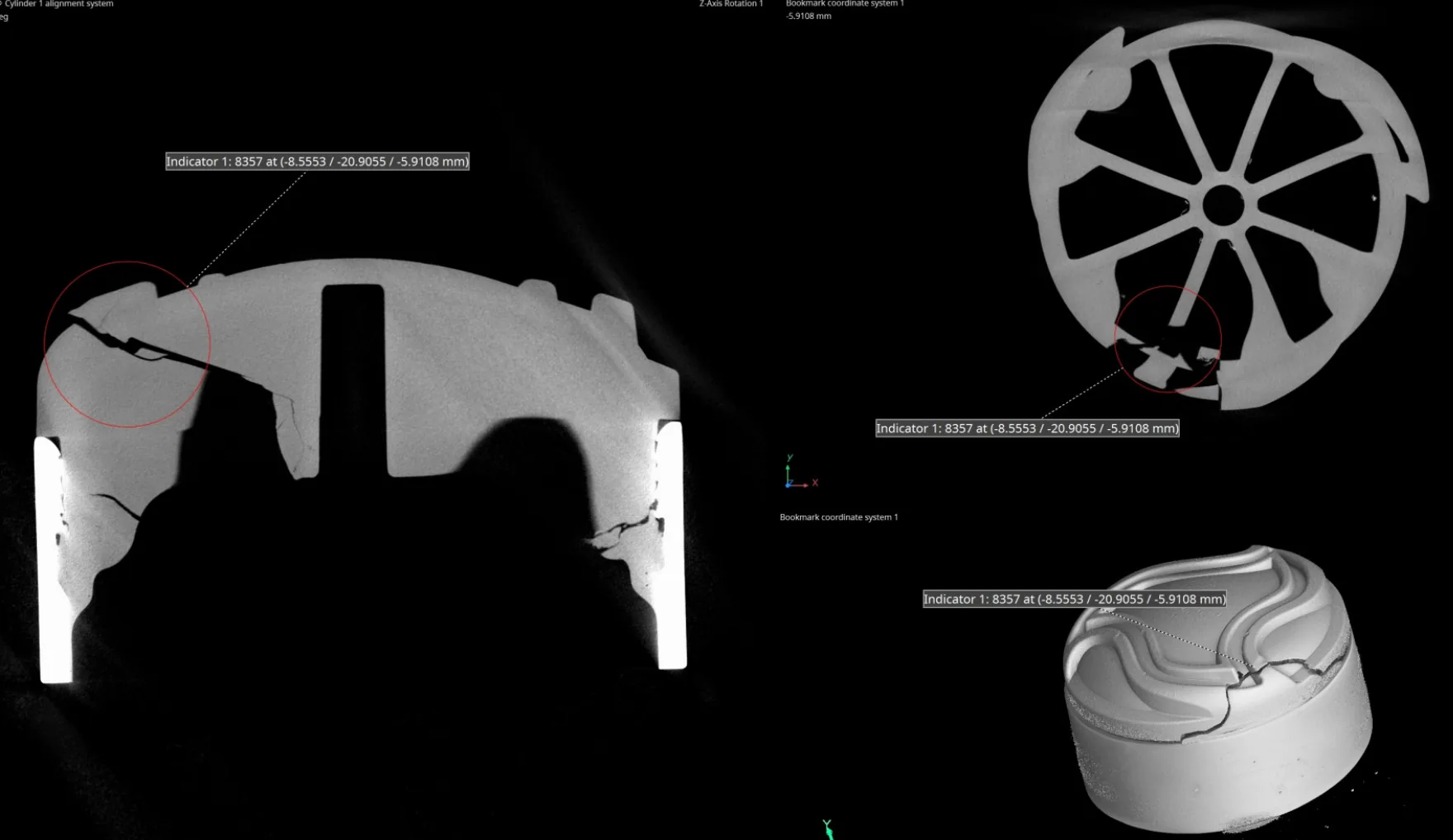
When a person is injured by a plastic product or part that breaks, it is important to hire a plastic expert to determine the cause. Our experts utilize CT scanning, computer modeling, advanced imaging techniques, and detailed material analysis to prove exactly how and why a product failed.
In the Lab
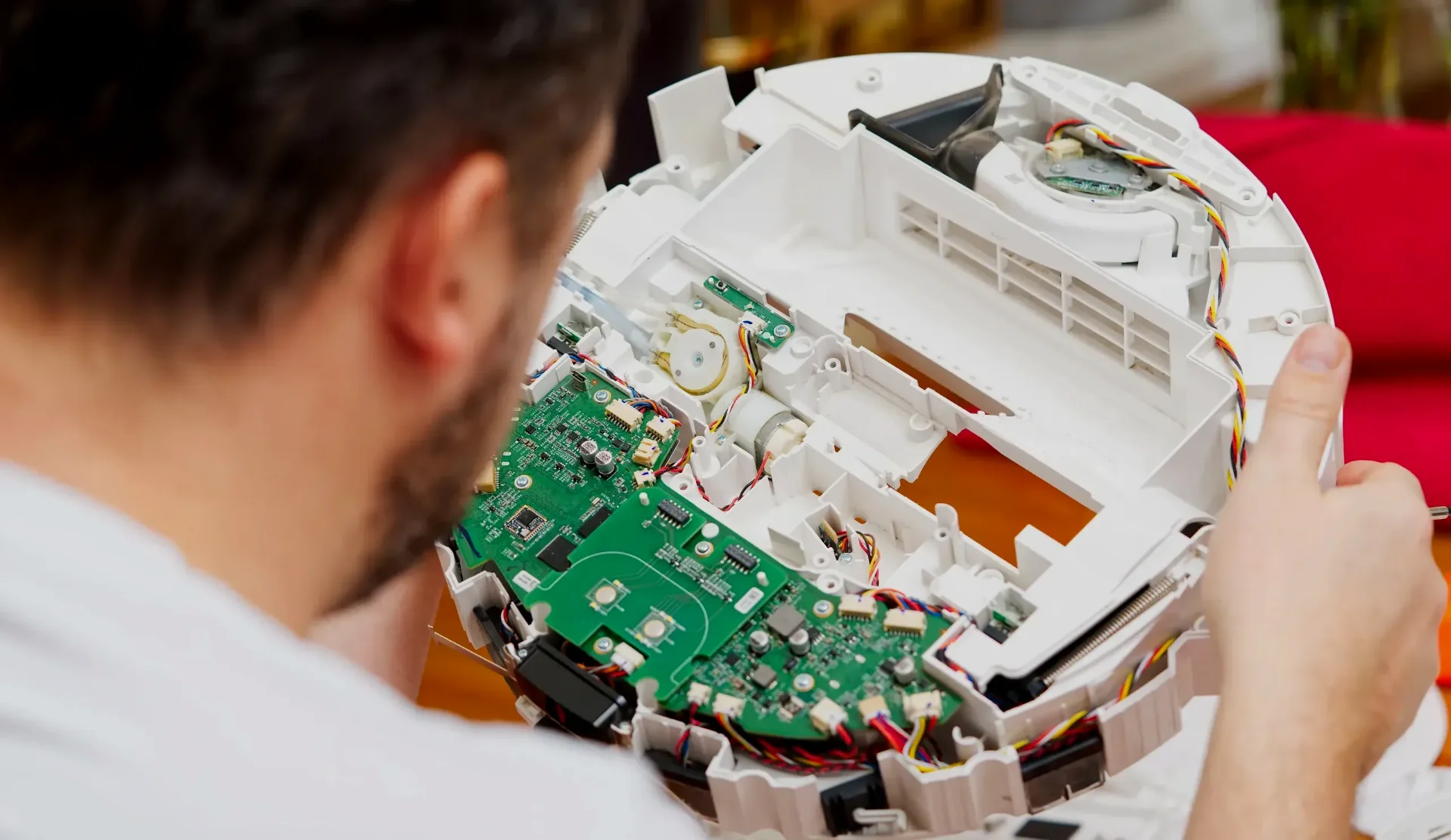
Pictured: Consumer product teardown
580+
Litigation-Related Projects
70+
Experts
20+
Plastic Resin Types Analyzed
Global
US, Europe & Asia-Pacific
Why Attorneys Choose Us
Specialized plastic expertise that holds up in product liability litigation.
Ph.D.-Level Credentials
Most of our experts not only have a Ph.D., but also decades of experience working for large plastic manufacturers. This combination of academic rigor and industry knowledge is rare and invaluable in product liability litigation.
Daubert-Aligned Methodology
An expert must have experience with the specific type of plastic in your case. Our plastic experts have experience working with all common plastics: PC, PP, PE, PS, ABS, PVC, nylons, acrylics, epoxys, and more.
CT-First Forensic Approach
The first thing we do is perform a high resolution CT scan, which is non-destructive and generally reveals manufacturing and design defects. We follow up with forensic analysis and computer modeling to show exactly what caused the product to fail.
Authoritative Testimony
Our experts have decades of hands-on experience with plastic products, and they explain their findings clearly and directly on the witness stand.
Product Failure Expertise
Deep expertise across every category of plastic product failure.
Consumer Product Failure Analysis
Step stools, chairs, toys, exercise equipment, water filters, toilet components, electronics, and everyday household products. When a consumer product made of plastic breaks and injures someone, the first thing we do is perform a high resolution CT scan.
- CT scanning reveals internal voids, knit lines, incipient cracks, and contamination invisible from outside
- Computer modeling of product design and the molding process proves failure causation
- SEM fractography identifies crack initiation site and fracture mechanism
- Chemical analysis detects contaminated or recycled plastic in molded parts
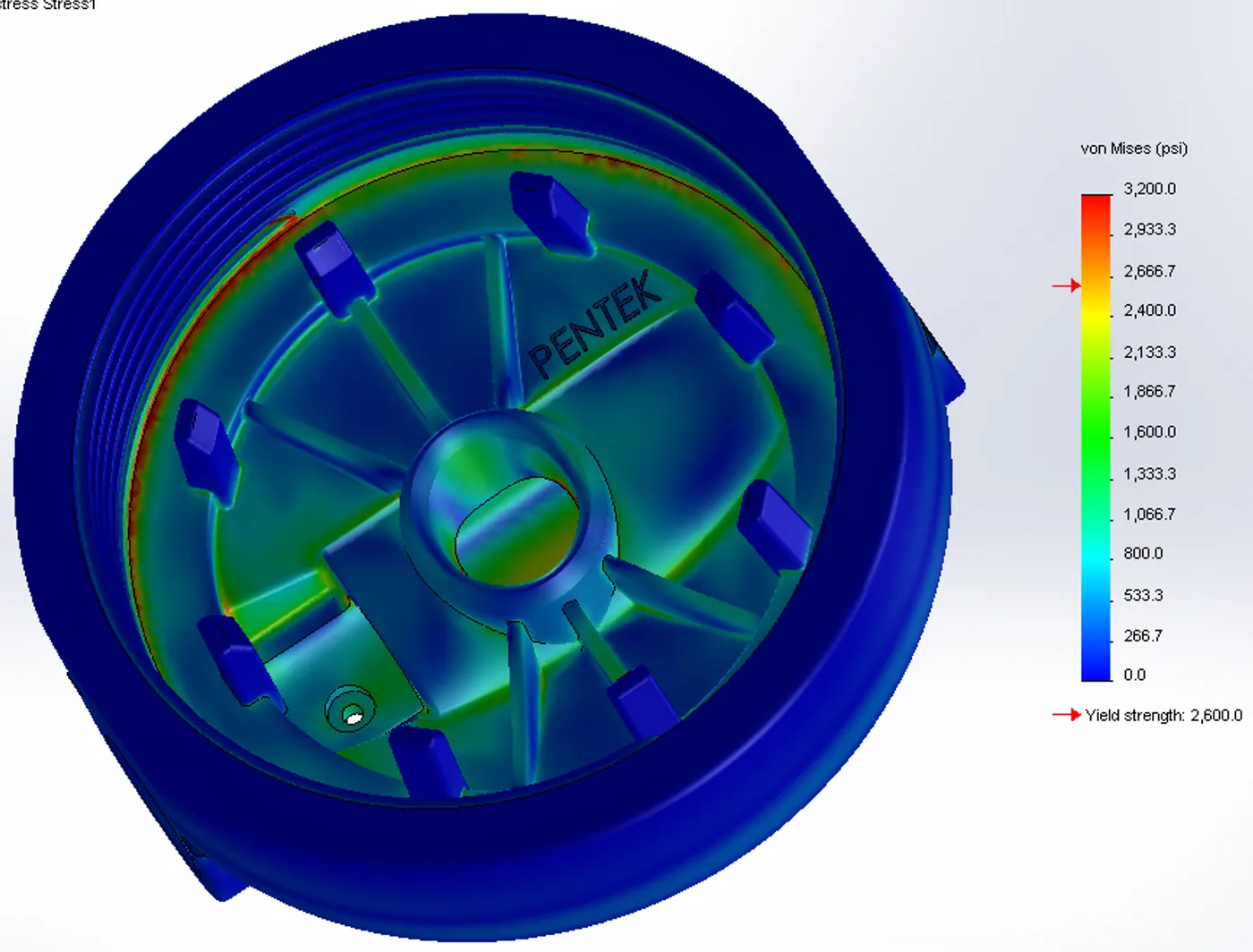
- Finite Element Analysis (FEA) proves whether a part was defectively designed and is unable to distribute stresses or concentrates them
- Mold Flow Analysis proves if the mold was defectively designed.
Automotive Plastic Component Failures
Plastic is replacing metal in vehicles to reduce weight and improve fuel efficiency. Under-hood components are exposed to extreme heat, motor oils, brake fluid, ethanol-containing fuel, and other aggressive chemicals.
- Under-hood chemical and heat exposure causing embrittlement and cracking
- Fuel system component degradation from ethanol-containing gasoline
- Intake manifold and coolant reservoir failures from long-term heat aging
- Interior trim and safety-critical component fractures
- Differentiation between manufacturing defect and normal service degradation

Industrial Plastic Product Failures
Industrial and commercial plastic products must withstand demanding service conditions. Computer modeling and Finite Element Analysis (FEA) can prove whether the wrong material was selected for the application.
- FEA proves wrong material selection for service requirements
- We can also do dynamic FEA to estimate the fatigue life of a plastic part design
- ASTM chemical compatibility testing for industrial chemical environments
- Piping, tank, and valve failures from chemical incompatibility
- Structural component failures under sustained load (creep)
- Manufacturing quality control deficiencies in industrial-grade parts
Medical Device Plastic Failures
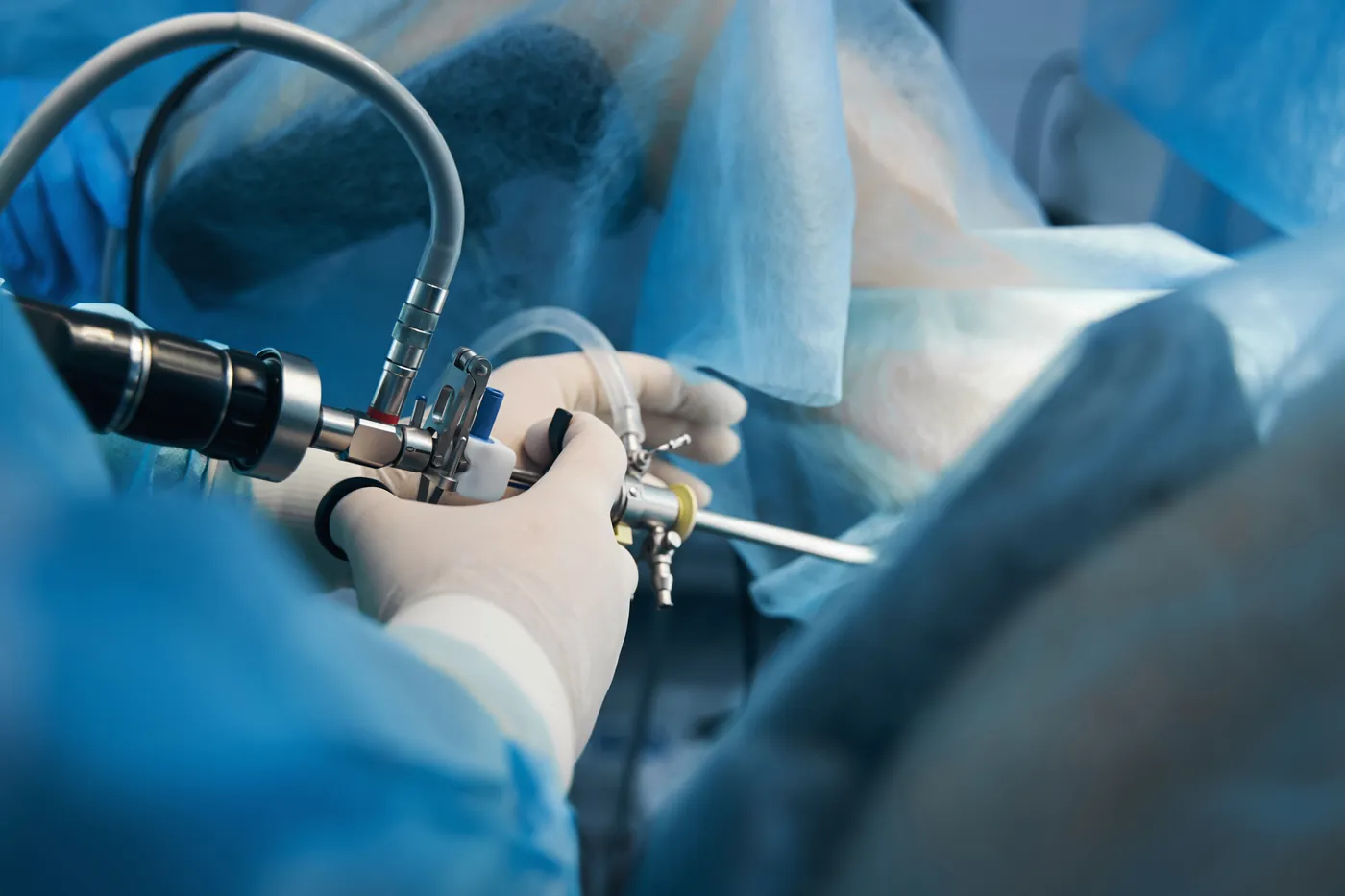
Medical devices made from plastic must meet stringent biocompatibility and performance requirements. Sterilization processes can degrade polymer properties over time.
- Sterilization-induced polymer degradation (gamma, EtO, autoclave)
- Biocompatibility and material selection failures
- Surgical instrument and implant component fractures
- Packaging integrity failures compromising sterile barrier
- We can determine if a failure was caused by misuse
Root Causes We Investigate
Every plastic product failure falls into one of four categories, and our forensic methodology identifies which one.
Design Defects
Wrong material selection, inadequate stress analysis, and failure to account for service conditions. Finite Element Analysis (FEA) computer models stress distribution throughout a plastic part to determine whether the design evenly distributes loads or concentrates them at weak points.
Manufacturing Defects
CT scans reveal voids near surfaces where cracks initiate, incompletely fused knit lines, and other internal defects invisible from outside. Contaminated resin is a serious issue: in one case, a folding step stool made in China contained foreign PVC particles embedded in what should have been pure polypropylene (PP).
Material Selection Failures
SEM reveals the fracture mode (environmental stress cracking (ESC), tensile overload, fatigue, creep, or high-speed impact), each of which leaves distinctive 'tell-tale marks' on the fracture surface traceable to the crack origin.
Product Misuse
Not every failure traces back to the manufacturer. Our forensic analysis distinguishes damage caused by use outside a product's intended purpose, environment, or maintenance schedule from damage caused by a design or manufacturing defect, a distinction that is often central in medical-device and consumer-product cases.
Information Gain
The CT Scan Advantage
The first thing we do when we receive a failed plastic product is to perform a high resolution CT scan. The CT scan is non-destructive and clearly reveals manufacturing defects and design defects in plastic parts.
We generally follow up with computer modeling of the product design and the molding process to show exactly what caused the product to fail.
CT images and computer models visibly prove how and why the product failed: evidence far more persuasive than a 50-page expert report.
Unlike destructive testing methods, CT scanning preserves the failed part in its original condition, maintaining chain of custody integrity for litigation.
Representative Product Liability Cases
A selection from our 580+ litigation-related projects.
China Step Stool: Contaminated Polypropylene
Polypropylene (PP) with Contamination
Folding step stool should have been pure PP. SEM coupled with EDS revealed foreign particles and molding voids embedded in the material. Chemical analysis identified the contamination from recycled resin weakened the material's strength, causing catastrophic failure under normal use.
Exercise Balls: Copper Pigment Degradation of Ball Material
PVC (Polyvinyl Chloride)
Burst-resistant exercise balls were manufactured in 5 colors. Green and blue balls exploded under athletes lifting weights, causing compound arm fractures. Videos were collected during laboratory burst tests of the five different colored balls. The yellow, black, and brown balls deflated slowly under 400 pounds of weight when punctured while the blue and green balls both violently exploded when punctured. The videos were shown at settlement discussions. Defense immediately settled.
CPVC Fire Sprinkler: Garden Hose Contamination
CPVC (Chlorinated PVC)
Pipe leaks in fire sprinkler system. Cracks initiated inside pipe from environmental stress cracking (ESC). FTIR identified di-t-butylterephthalate (DtBT), a chemical from the garden hose used to fill the system. Recommended total system replacement.
Have a similar product liability case?
Attorney's Guide
Proving Product Defects
Practical guidance for attorneys handling plastic product liability cases.
Three critical questions every attorney should ask the head of manufacturing during deposition:
- "What quality control tests do you perform to confirm that your products meet their specifications?"
Exposes whether adequate QC protocols exist and are documented.
- "How often are quality control tests performed?"
Reveals whether testing frequency is sufficient to catch defects before they reach consumers.
- "What action is taken when a sample fails a quality control test?"
Determines whether the manufacturer has corrective action procedures, and whether they follow them.
Advanced Forensic Capabilities
Our accredited affiliate laboratories are equipped with state-of-the-art analytical equipment, calibrated instrumentation that provides data and evidence for product liability litigation.
SEM & Fractography
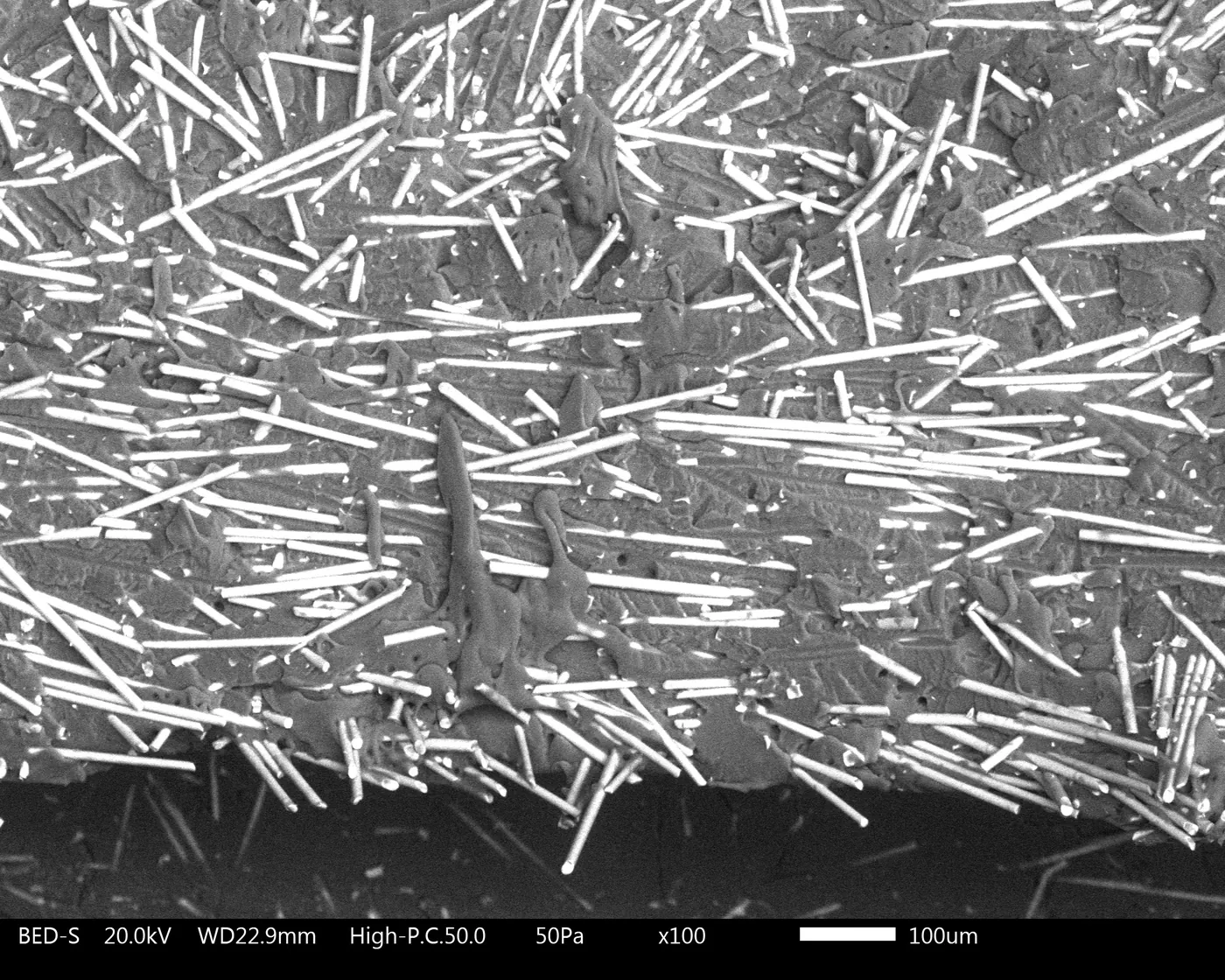
High magnification reveals fracture surface detail not visible optically. EDS measures the elemental composition of defect particles. The 'gold standard' for proving crack initiation at a specific defect site.
FTIR Spectroscopy
Every chemical has a unique FTIR 'fingerprint.' Our computer chemical fingerprint library identifies chemicals and commercial products from their spectral signature. FTIR unmasks material substitution, off-spec resins, and contaminants that caused a failure.
FEA (Finite Element Analysis)
FEA proves whether a product's design distributes stresses or concentrates them at failure-prone locations. Dynamic FEA simulates repetitive cyclical stress to expose fatigue-prone weak points.
CT Scanning
Non-destructive. Reveals internal voids, knit lines, contamination, and manufacturing defects invisible from outside the part. CT scanning is the first step in most product investigations.
Plaintiff vs. Defense Perspectives
We provide forensic support for either side of a litigation.
Plaintiff-Side Product Liability Support
- Preliminary non-destructive assessment to determine the most likely cause of failure
- Helps attorney decide which parties to put on notice as defendants
- Provides expert analysis to prepare the complaint for court filing
- Can estimate cost of remediation and damages for settlement positioning
- CT-first approach preserves evidence while revealing defects immediately to determine which parties to put on notice.
Defense-Side Product Liability Support
- Determines cause of failure so defendant can identify the responsible party
- If root cause is a manufacturing defect or improper operation/maintenance, the defendant may be released from liability
- Expert identifies contributory negligence, product misuse, or third-party modifications
- Forensic analysis differentiates between product defect and user error
- Participation in joint testing ensures proper protocols and fair representation
Insurance Subrogation & Claims Support
- Neutral, science-based determination of which party is responsible for the failure
- Insurance company recovers remediation costs from the responsible party through subrogation
- Impartial methodology ensures findings withstand scrutiny from all sides
- Comprehensive reporting supports claims evaluation and settlement decisions
- Expert testimony available for arbitration, mediation, settlement discussions, and litigation, if needed
Visual Evidence a Jury Can Follow
Compelling demonstrations and microscopic imagery that persuade juries, mediators, and opposing counsel.
A picture is worth a thousand words is more true than ever in legal matters. Juries, mediation judges, and opposing attorneys are greatly affected by videos, photographs, and demonstrations.
Dramatic Demonstrations
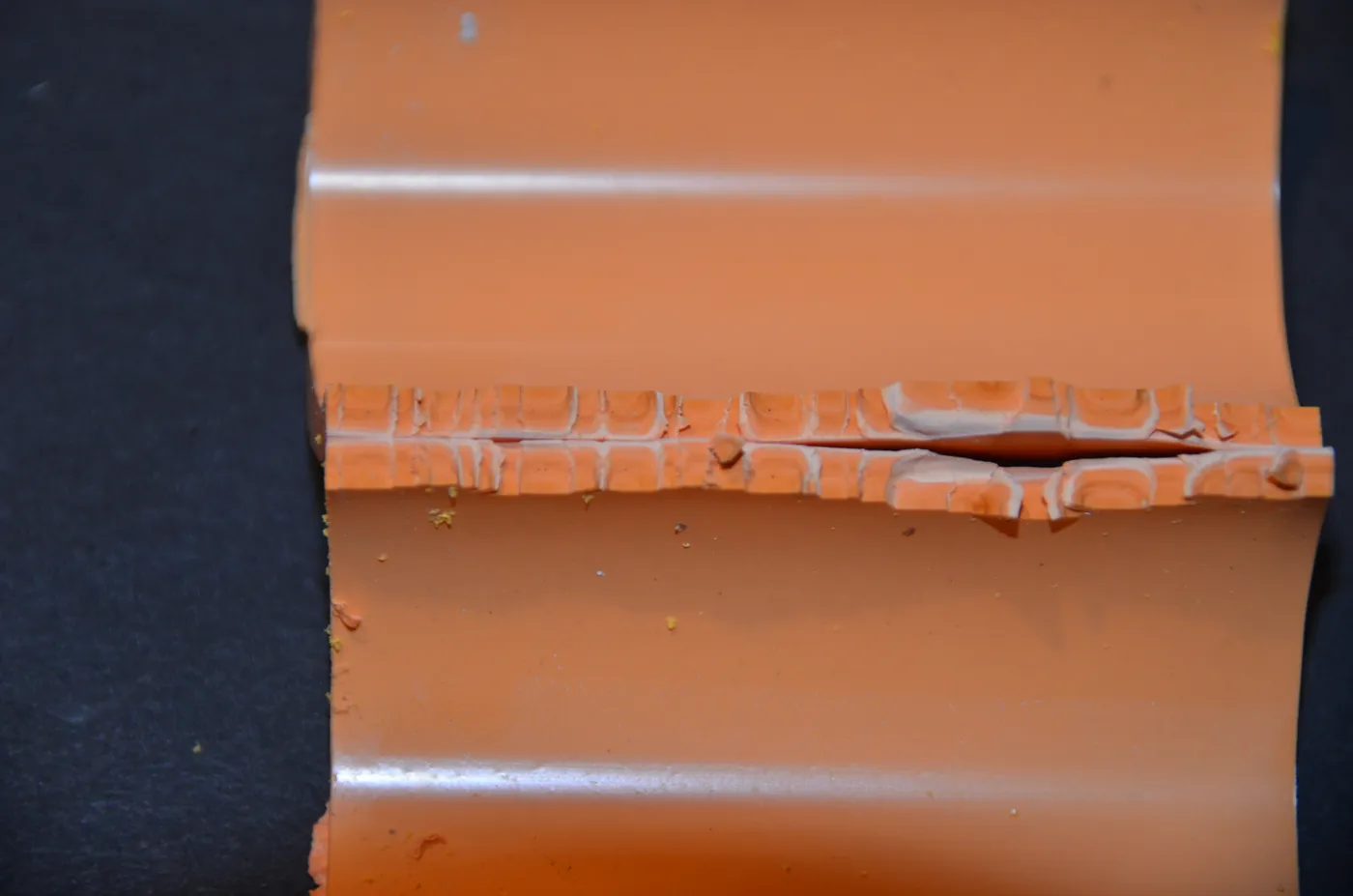
Taking a piece of plastic and showing it can be bent in half without breaking, then applying a chemical and demonstrating it shatters like glass. Dramatic and convincing!
Fractography Maps
A microscope image showing thumbnail features typical of ESC failure, closely spaced parallel striations typical of fatigue, or a bubble from which a crack developed: very obvious and convincing. A single SEM fractography map can be more persuasive than a 50-page expert report.
Product Liability FAQ
Common questions from attorneys handling plastic product liability cases.
Amorphous plastics (polycarbonate, ABS, polystyrene) are vulnerable to hydrocarbon chemicals that can cause environmental stress cracking (ESC). When the wrong material is selected for a chemical environment, the result can be catastrophic failure.
Crystalline plastics like polypropylene and nylon, are chemically resistant but are prone to oxidative degradation requiring antioxidant stabilizers to be added to the plastic to make the parts more durable.
Accreditations & Affiliations
Independent accredited labs across North America, Europe, Asia-Pacific, Australia, and the Middle East

Request a Product Liability Case Review
Tell us about your product liability case. Our experts typically respond within 24 hours with an initial assessment of the product failure and recommend a forensic approach.
24-Hour Response
Initial case assessment within one business day.
Prefer to Call?
+1 (989) 281-4465