
Medical Devices · PP Mesh · Implants · Mass Tort
Medical Device Litigation Expert: Featured on CBS 60 Minutes
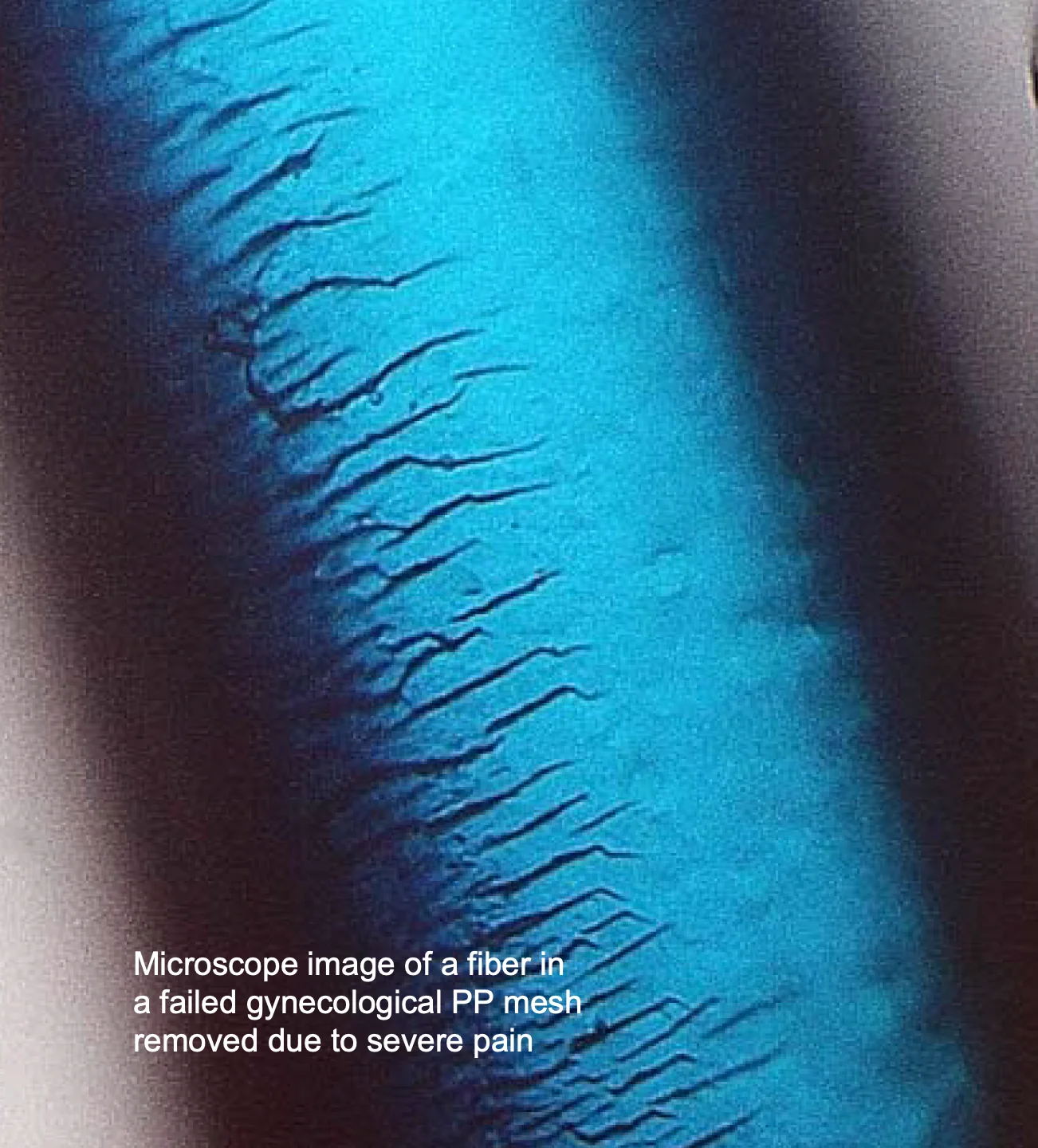
Polypropylene mesh was marketed as safe and inert. Our forensic analysis proved it degrades inside the human body, causing devastating injuries to thousands of patients. Featured on CBS 60 Minutes.
Forensic Evidence
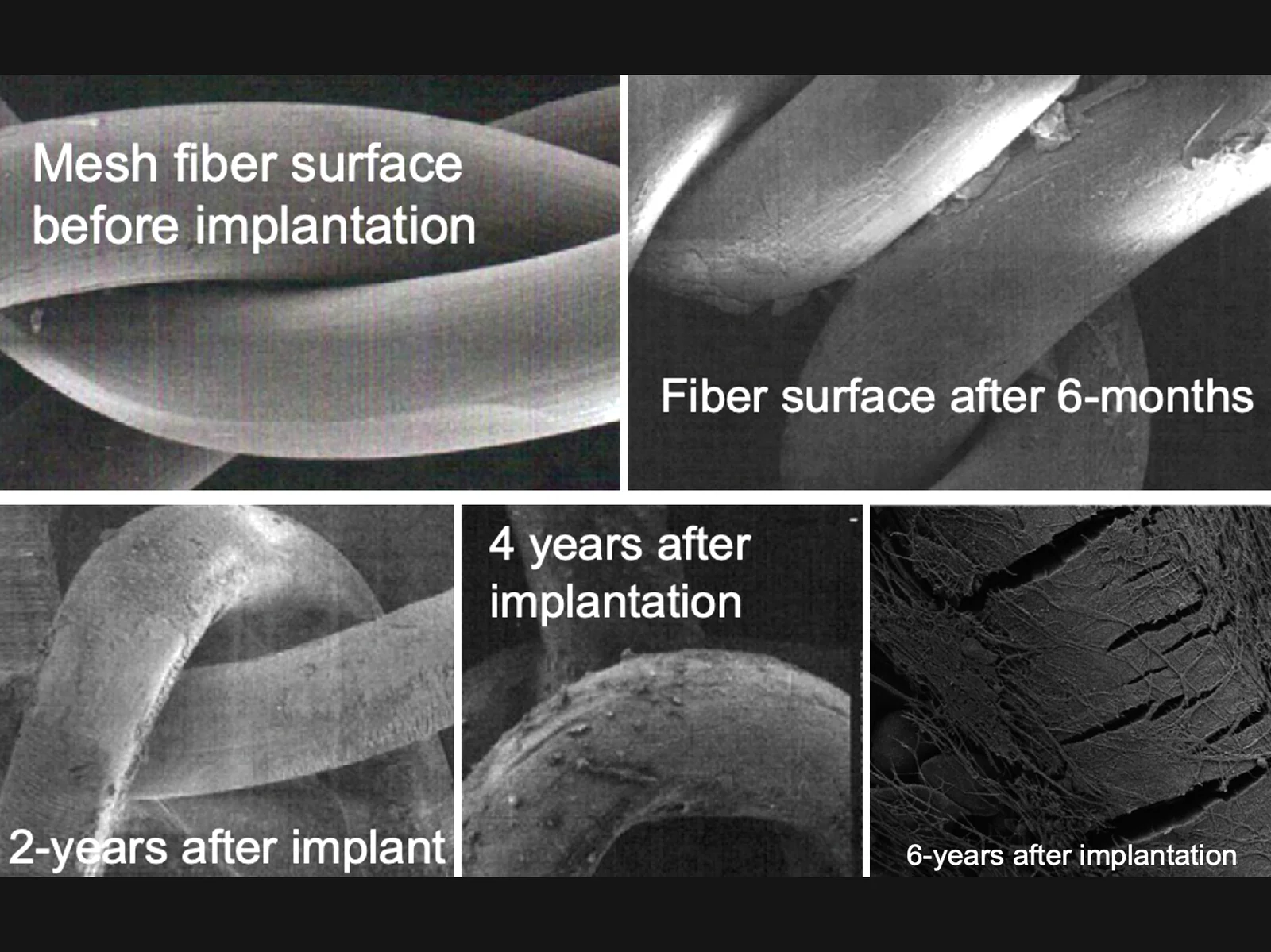
Pictured: Polypropylene mesh degradation
580+
Litigation-Related Projects
70+
Experts
3+
Device Recalls Influenced
Global
US, Europe & Asia-Pacific
We are retained by both manufacturers and claimants. Our methodology does not change with the side that retains us.
⭐ As Featured On
CBS 60 Minutes Investigation
Dr. Priddy's forensic analysis of polypropylene mesh degradation was featured on CBS 60 Minutes, exposing how thousands of patients were harmed by a mesh material that should never have been implanted in the human body.
Thousands
Patients Injured by PP Mesh
100,000+
Women Suing Nationwide
Largest
MDL Since Asbestos, per CBS
"I can't, in my wildest imagination, imagine anybody that's knowledgeable in the science of plastics ever deciding that it was appropriate to use polypropylene [mesh] in the human body. It's well known that it's oxidatively unstable."
Dr. Duane Priddy Sr., CBS 60 Minutes, May 13, 2018
Why a Plastics PhD, Not an MD
Medical device failure is a materials science problem, not a medical one.
PhD-Level Polymer Science
MDs are not trained in plastic science. They cannot opine on exactly why a mesh implant failed. A forensic plastics expert with a PhD and decades of manufacturing experience can prove why it failed, and that is what bellwether trials turn on.
Forensic Degradation Analysis
We analyze explanted mesh material to prove it has degraded and turned brittle. We extract residual antioxidant additives and show they have been depleted: the scientific smoking gun that proves the device was destined to fail.
Daubert-Aligned Methodology
Our forensic data determines the failure mode and proves the root cause of device failure. When defense experts claim 'PP is the gold standard material for medical implants', we can scientifically confirm or refute that claim through laboratory analysis.
KIS: Keep It Simple for Juries
If an expert report can only be understood by a PhD, the expert work is wasted. We use simple demonstrations and analogies so laypersons understand. Many trials turn on which side did a better job of helping the jury understand the science.
Medical Device Specialties
Deep forensic expertise across every category of medical device failure.
Polypropylene Mesh Implant Failures
Polypropylene (PP) is an inherently unstable plastic that relies on antioxidant additives to remain functional. When implanted as mesh, body fluids rapidly extract these antioxidants from the high-surface-area fibers, causing them to turn brittle and break. Degraded mesh fragments into many small pieces that ingrow into organs, making removal extremely difficult without organ damage.
- Antioxidant depletion in PP fibers from body fluid extraction
- Mesh embrittlement and fragmentation inside organs
- Severe pain from degraded mesh fiber migration
- Revision surgeries required to remove embedded fragments
- 510(k) predicate device flaw: sutures ≠ long-term mesh
Orthopedic Joint Implant Failures
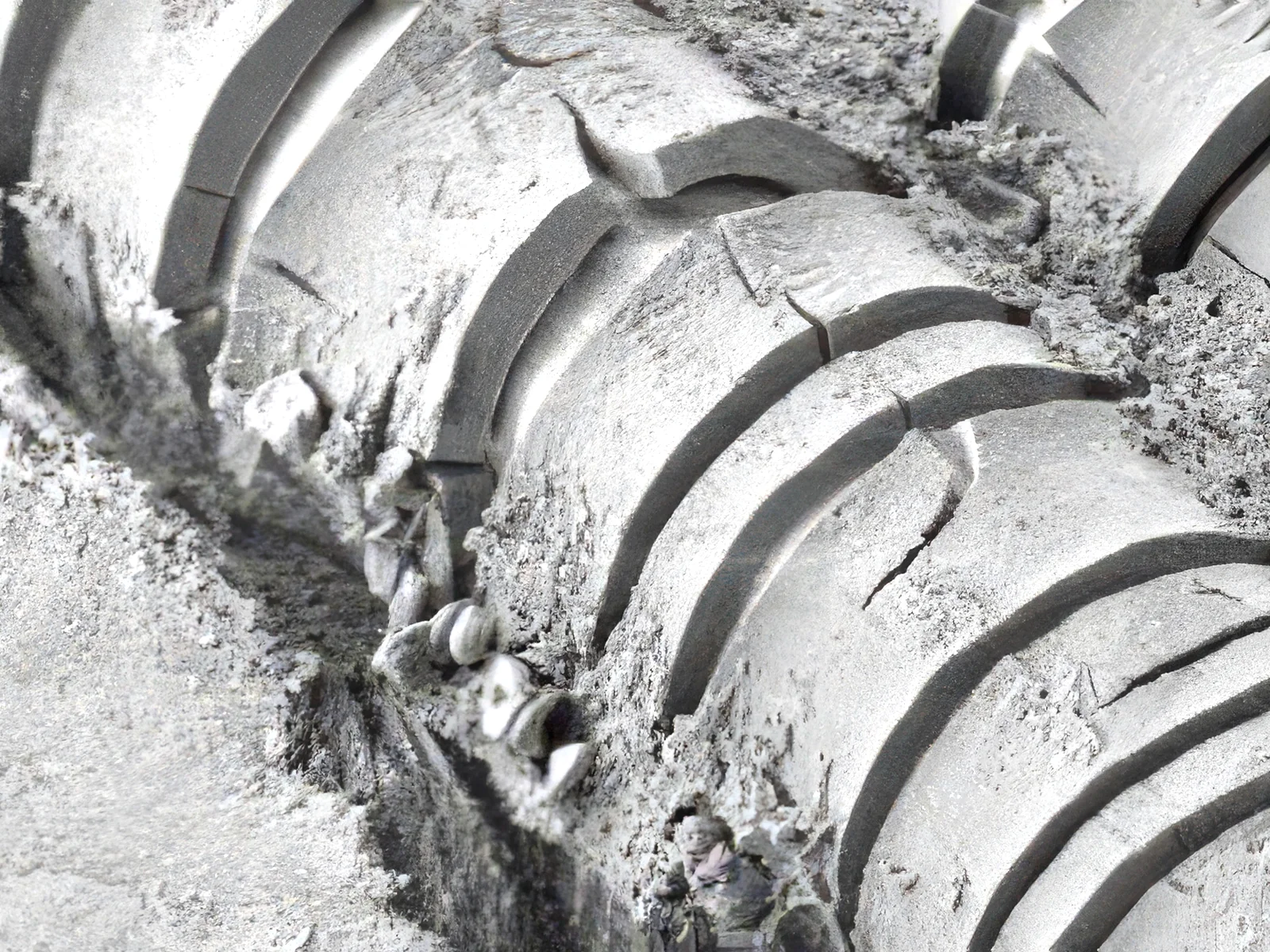
Orthopedic joint implants generally contain ultra-high molecular weight polyethylene (UHMWPE). Like most plastics, UHMWPE will eventually wear out and need replacement. However, if not properly manufactured and stored under anaerobic conditions, UHMWPE can prematurely wear out due to oxidative degradation, leading to premature joint failure and revision surgery.
- UHMWPE oxidative degradation from improper storage
- Premature wear from manufacturing process defects
- Particle generation causing osteolysis and bone loss
- Accelerated aging from gamma irradiation in air
- Material specification non-conformance
Surgical Instrument & Syringe Failures
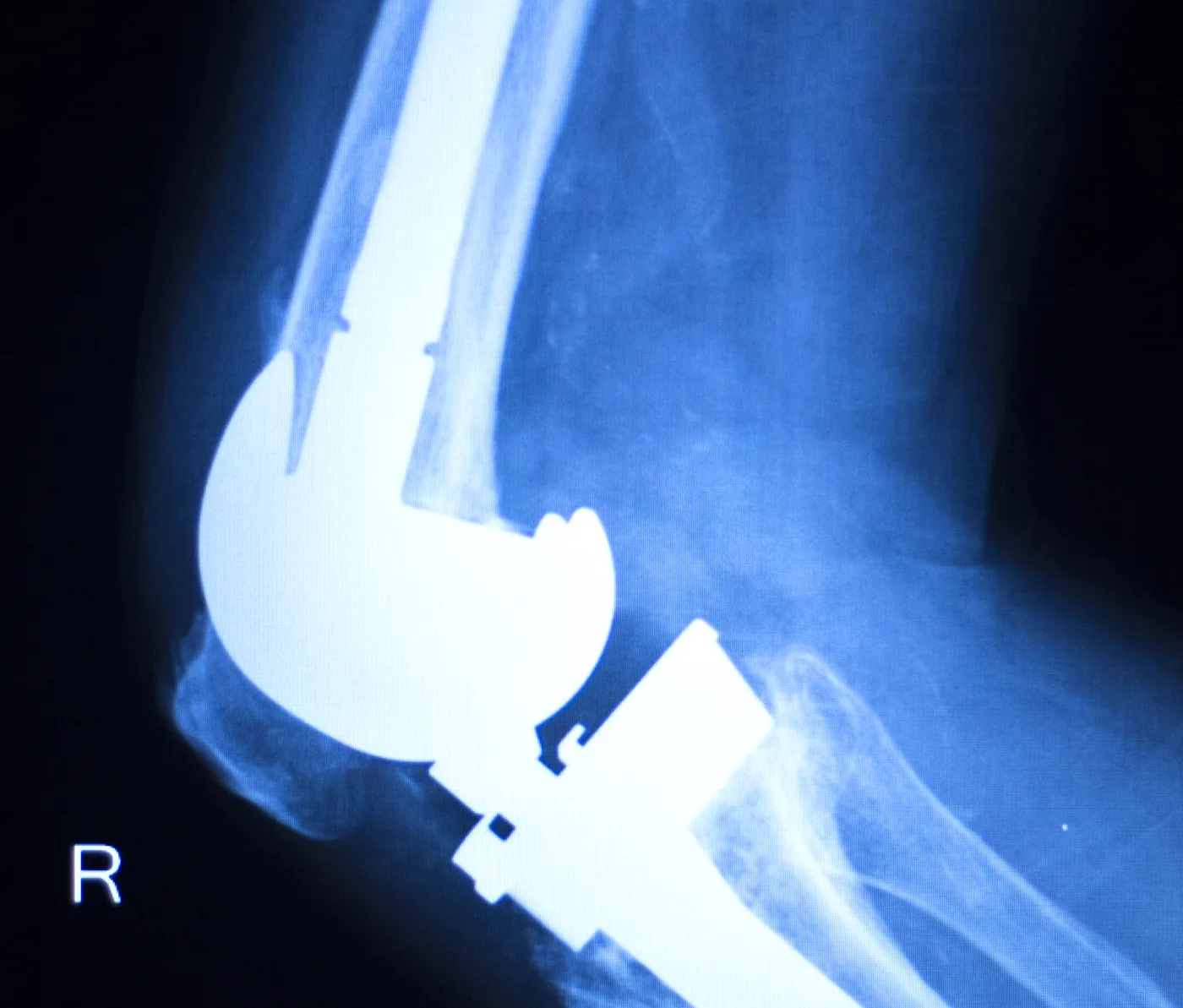
Syringes are among the most common disposable products in hospitals. A major supplier manufactured acrylic plastic syringes due to their low cost and clarity. Unfortunately, acrylic has poor chemical resistance, causing syringes to break at high rates when injecting certain solutions, exposing both patients and nurses to the administered drugs.
- Acrylic syringe breakage during injection of incompatible solutions
- Catheter failures from manufacturing defects
- Plastic housing cracks leading to patient infection
- Material selection errors in disposable instruments
- Chemical incompatibility with sterilization processes
Diagnostic & Monitoring Equipment Failures
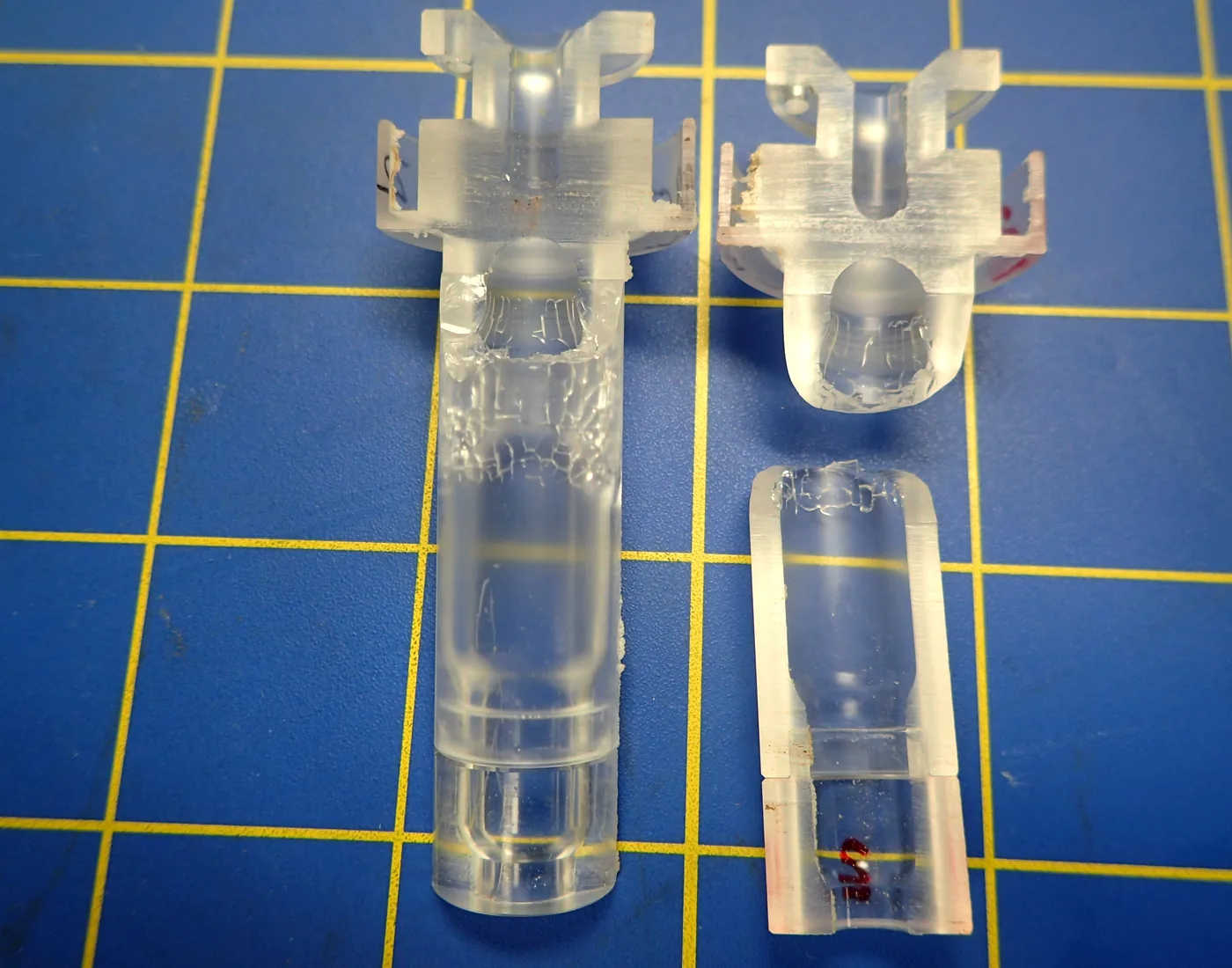
When diagnostic equipment fails, forensic failure analysis reveals the root cause, distinguishing between software/electronic glitches and structural material failures in the monitoring hardware.
- Plastic housing failures in monitoring equipment
- Connector degradation from chemical exposure
- Sterilization-induced material property changes
- Environmental stress cracking in device housings
- Material fatigue from repeated use cycles
The Polypropylene Mesh Crisis
The science behind why PP mesh should never be implanted in the human body.
The Degradation Cycle
PP is an inherently unstable plastic and relies on antioxidant additives to make it stable enough to be useful. Unfortunately, antioxidant additives are extractible from the surface of parts. This is a critical problem for PP mesh because the fibers have extremely high surface area. Antioxidants are rapidly extracted by body fluids, causing the fibers to turn brittle and break.
The "Inert" Claim Is Not Accurate
Manufacturers claim that PP is inert and is the "gold standard" for mesh implants. This claim is scientifically inaccurate. Gold is truly inert, but PP is not. In fact, manufacturers add antioxidant stabilizers to all PP just so they can ship it to customers without it degrading during shipment.
Speed to Market Over Safety
Long-term testing for implanted polymers does exist. USP Class 6 protocols run for months and are designed to simulate implanted conditions over time. The gap is not the absence of test methods. It is that establishing the service life of the specific polymer, in the specific geometry and for the intended implant duration, is not universally required before a device reaches a patient. Where that work was not done for the material as actually used, the consequence shows up in the patient, and removal surgery becomes the remedy.
Implantation
Antioxidant additives begin to be extracted by body fluids
Months
Fibers turn brittle as antioxidant protection is depleted
1 to 3 Years
Mesh fragments into small pieces embedded in organs
Revision Surgery
Difficult removal: fragments ingrown into tissue cause organ damage
FDA 510(k) & Regulatory Failures
How flawed regulatory pathways allowed dangerous materials into patients' bodies.
The 510(k) Red Flag
PP sutures were used as the predicate device argument. The problem: sutures are used for weeks; mesh implants are meant for years. The FDA cleared the device on that substantial equivalence argument.
Biocompatibility Gaps
"Biocompatible" simply means the plastic doesn't cause inflammation or infection at implantation. It does not address long-term degradation. Inflammation doesn't occur until after the mesh degrades and breaks into pieces, months later.
Undisclosed Resin Substitution
A large medical device company switched from a US supplier to a Chinese supplier, and repackaged the imported resin under the original labeling. This was done to save time and money, without re-testing the device.
Large-Scale Litigation Support
Mass Tort & Multidistrict Litigation (MDL) Support
Proven capability to handle large-scale medical device litigation with scientific rigor.
MDL Coordination
When serving as an expert in class action and MDL litigations, it is critical to focus only on the science of the plastic and not wander outside your area of expertise. We recommend retaining complementary experts (regulatory compliance, biocompatibility) while we focus on plastic/polymer degradation science.
Representative Sampling
In mass tort litigation, you must prove that failures are widespread and systemic, not limited to isolated cases. This requires analysis of a statistically significant number of samples. Our network of independent, A2LA-accredited affiliate laboratories is equipped to process high-volume sample analysis with scientifically proven and accepted methodology.
Bellwether Trial Strategy
We use the KIS (Keep It Simple) principle. We take complex material failures and make them so simple that a jury can clearly see the manufacturer's negligence. Simple demonstrations and analogies explain highly technical issues so any layperson can understand.
Representative Medical Device Cases
Real cases demonstrating forensic impact, from manufacturer accountability to exoneration.
PP Mesh Implant: CBS 60 Minutes Investigation
Polypropylene (PP)
Forensic analysis proved PP mesh degrades inside the human body as antioxidant additives are depleted. Mesh turns brittle, fragments, and ingrows into organs. Featured on CBS 60 Minutes, contributing to national awareness and regulatory scrutiny.
Adhesive Allergy: Surgeon Negligence
Surgical Adhesive
Patient listed an adhesive allergy. Surgeon ignored this information and closed surgery using adhesive rather than suture. Patient developed severe infection at the surgical site requiring multiple corrective surgeries.
Catheter Failure: Manufacturer Exonerated
Medical-Grade Plastic
SEM analysis of the broken catheter proved it had been accidentally cut using scissors, not a manufacturing defect. This discovery allowed the manufacturer to be excluded from the case.
PP Mesh Resin Substitution: CBS 60 Minutes Investigation
Polypropylene (PP)
As reported by CBS 60 Minutes, Boston Scientific lost its FDA-cleared Marlex polypropylene supply after the resin maker warned against permanent human implantation, then sourced replacement polypropylene through a broker in China. The imported resin's lot numbers and packaging were reported as counterfeit, and the manufacturer's own side-by-side testing differed on most parameters. Retained by CBS as an independent expert, Dr. Priddy analyzed those results and concluded the substitute resin was unsuitable for long-term implantation. The material change became central to the litigation, the largest multidistrict litigation since asbestos.
Have a medical device case?
Get a Confidential Case AssessmentAttorney's Checklist
Medical Device Deposition Guide
Essential guidance for attorneys handling medical device litigation.
Critical questions every attorney should ask the manufacturer's engineers during deposition:
- "During the design and development of this medical device, was a Failure Mode & Effects Analysis (FMEA) performed?"
Establishes whether the manufacturer followed standard engineering practice for risk assessment.
- "What potential failure modes were discussed, and what steps were taken to minimize each one?"
Reveals whether the specific failure mode at issue was anticipated, and whether adequate preventive action was taken.
- "The device has been shown to fail by oxidation. Was this failure mode considered, and what was done to preclude it?"
Directly ties the manufacturer's own risk analysis process to the failure that harmed the patient.
Selected Publications
Conference papers and industry publications authored by our experts.
Conference papers
Florian Koschitzki and Duane Priddy, "Uncovering the Cause of the Unique Failure of Color Coated PEXa Pipe," Society of Plastic Engineers ANTEC Proceedings, 2025.
Florian Koschitzki and Duane Priddy, "CPVC Pipe Failure by Environmental Stress Cracking Without Exposure to Foreign Chemicals," Society of Plastic Engineers ANTEC Proceedings, 2024.
SPE ANTEC 2024 ProceedingsDuane Priddy, "Causes of Failure & Remediation Options for Failing CPVC Fire Sprinkler Piping Systems," NFPA Technical Conference, Boston, 2017.
Duane Priddy, Rowland Hall, Dan Beaudoin, "Selecting the Best Remediation Option for Failing CPVC Piping Systems," SPE/PPD ANTEC Proceedings, 2016.
Duane Priddy, "The Root Cause of Failure of an EPS Foam Coffee Cup," Society of Plastics Engineers ANTEC Proceedings, 2014.
Trade and industry publications
Duane Priddy, "Why do PVC & CPVC pipes occasionally fail?" Popular Plastics & Packaging, 60(8), 29-37, 2015.
Duane Priddy, "Understanding the Science Behind Burst Resistant Exercise Balls and Why Some Burst During Use," Material Science & Technology, 2015.
Duane Priddy, "Forensic Analysis of CPVC Fire Sprinkler Piping," Subrogator, Spring/Summer 2012.
Medical Device Litigation FAQ
Common questions from attorneys handling medical device and mass tort cases.
Accreditations & Affiliations
Independent accredited labs across North America, Europe, Asia-Pacific, Australia, and the Middle East

Request a Confidential Medical Device Case Review
Tell us about your medical device case. Our experts typically respond within 24 hours with an initial assessment of the device failure and recommend next steps.
24-Hour Response
Confidential initial case assessment within one business day.
Prefer to Call?
+1 (989) 281-4465Watch the CBS Interview
View the 60 Minutes feature ↑